Mortgage declined because of spray foam
We remove the foam, restore ventilation, treat any rot and issue a dated report with photographs. Most lenders accept this as evidence the defect is corrected, and we can work to your exchange deadline.
Our insulation removal service in London, Greater London clears failed spray foam, saturated mineral wool and contaminated loft insulation from homes and commercial units. We handle open cell and closed cell foam, hidden damp and mortgage-driven removals across every borough. If a surveyor has flagged your loft, or you have found condensation and rot under old foam, we can assess and remove it before the problem spreads further.
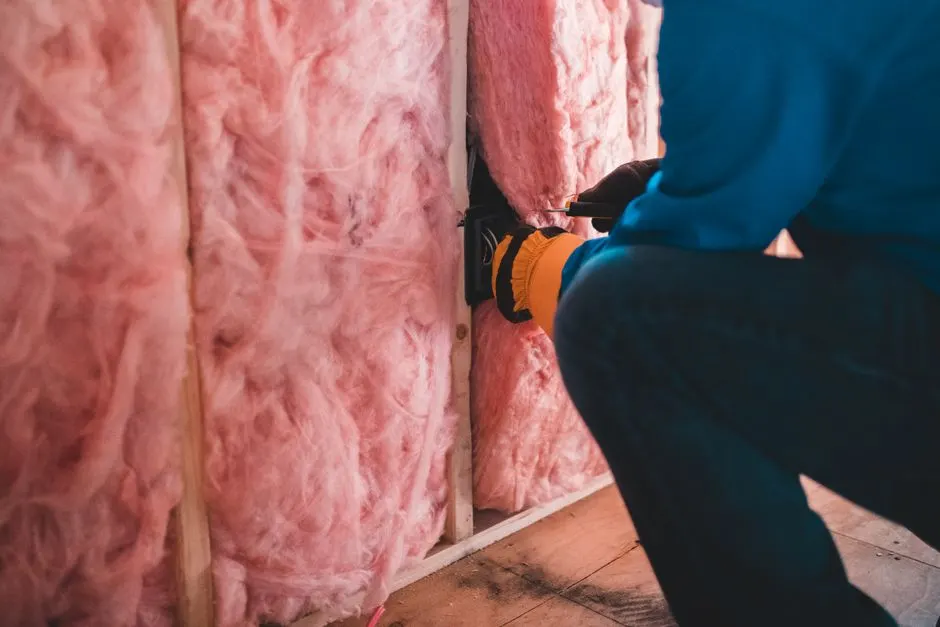
Insulation removal service in London, Greater London is the controlled stripping of failed, contaminated or non-compliant insulation from lofts, roofs, cavity walls and commercial roof decks. It is not a case of pulling material out by hand. We isolate the area, set up negative air machines and HEPA filters, then cut, blast or vacuum the insulation away without spreading dust through your home. Every load is bagged, labelled and disposed of through licensed waste routes.
London homes trigger this work for predictable reasons. Spray foam applied to the underside of roof tiles traps heat and moisture, and within a few seasons you get loft condensation, wet timbers and rot. Mortgage lenders routinely refuse loans on properties with unsupported spray foam, so a removal is often the only way a sale completes. If you are searching for an insulation removal contractor near me London and your buyer's surveyor has raised a red flag, timing matters. We work around exchange dates and can usually inspect within 48 hours.
Every removal is quoted as a complete job, not a labour-only rate. The list below is what we include as standard on residential and commercial work. If your property needs something unusual, we will tell you at survey and price it in writing before we start.
Protective sheeting on floors and stairs, sealed loft hatch and a negative air machine with HEPA filters. This keeps dust, fibres and foam particles out of your living space throughout the job.
Cutting, blasting and vacuuming of open cell and closed cell spray foam, mineral wool and contaminated insulation. We use dry ice blasting or sand blasting where the foam is bonded hard to timbers.
Fungicidal treatment of any damp or rotted timbers, plus reinstatement of roof ventilation paths to Building Regulations Part L. This is the stage lenders care about most.
All foam, insulation and debris bagged and removed through licensed waste carriers. You get documentation on request, which matters for commercial clients and anyone with an environmental policy.
A dated report with moisture readings and before-and-after images. This is what you hand to a surveyor, lender, buyer or insurer to show the defect has been corrected.
We attend, usually within 48 hours, and inspect the loft or roof void with a thermal imaging camera to map moisture and foam depth. You get a written fixed price the same day, covering removal, disposal and making good. No hidden extras for access or waste.
On day one we lay protective sheeting over floors and stairwells, seal the loft hatch and install a negative air machine with HEPA filters. This keeps dust and foam particles out of your living space. Setup takes around 90 minutes on a typical London terrace.
We cut the bulk of the foam with reciprocating saws and oscillating multi-tools, then blast residual adhesive and foam from rafters using dry ice blasting or sand blasting equipment. A two-person crew clears a standard 30 square metre loft in one to two days.
Any damp or rotted timbers are treated, and we check roof ventilation paths are clear. If vents were blocked by foam, we reinstate them to Building Regulations Part L requirements. This stage usually takes half a day and is what makes the removal acceptable to lenders.
All waste is bagged, removed and disposed of through licensed carriers. We vacuum the void, take dated photographs and issue your removal report. You get the loft back clean, with documentation you can hand to a surveyor, buyer or insurer.
Purpose-built equipment, used by trained technicians — so the job is done accurately the first time.
Fires dry ice pellets to freeze and shatter adhesive residue from rafters without wetting or abrading the timber. Our preferred method on delicate roof structures and historic London buildings.
Strips stubborn foam and adhesive from brick, concrete and heavy timbers. Fully contained, with media recovered by industrial vacuums so nothing escapes into the property.
Maps moisture and foam depth during the survey, revealing hidden damp and cold bridging before we cut anything. It also gives us before-and-after evidence for your removal report.
Maintains negative pressure in the work area and filters airborne particles through HEPA filters. This is what keeps dust and fibres out of your bedrooms and kitchen.
Cuts bulk closed cell foam and trims it back from timbers, pipes and cabling. Bosch and Makita cordless tools let us work in lofts without trailing leads.
Recovers loose foam, dust and blasting media, then bags it for licensed disposal. Keeps the void clean and the waste stream documented.
Protects our technicians from foam dust, chemical residue and blasting media. Full PPE is worn from containment setup through to final clearance.
A buyer's lender declined the mortgage because closed cell foam covered the entire roof slope. The surveyor could not inspect the timbers, and the sale had stalled for six weeks.
We removed the foam over three days, treated two rafters with early rot and reinstated ventilation. The dated report and photographs went to the lender, and the mortgage offer was reinstated within a fortnight.
Tenants reported water dripping through a bedroom ceiling. Foam on the roof slope had trapped moisture, and surface mould was spreading across the rafters and sarking boards.
We set up containment, ran air scrubbers and removed the foam over two days. A blocked vent was cleared, timbers were treated, and loft humidity dropped back to normal within a week.
Closed cell foam was failing around roof penetrations on a warehouse deck, and the client needed it gone without stopping operations or breaching their environmental audit.
We worked in bays out of hours, removed the foam with mechanical cutting and sand blasting, and cleared the deck in five nights. Waste was bagged and documented through licensed carriers.
Most calls start with one of these four problems. Each one gets worse if it is left, and each one has a straightforward fix once the foam is out and the roof void is breathing again.
Ask a pro →We remove the foam, restore ventilation, treat any rot and issue a dated report with photographs. Most lenders accept this as evidence the defect is corrected, and we can work to your exchange deadline.
We strip the foam, restore airflow and treat affected timbers with fungicidal wash. Humidity in the void drops quickly, and we check vents are clear before we finish.
Our survey uses a thermal imaging camera and moisture meter to map damp before removal. We then remove the foam, expose the timbers and treat or replace what is needed.
Once the foam is out, the void is open and inspectable. We provide photographs and a removal report so the surveyor can complete a clean assessment without a second visit.
Most London loft removals cost between 900 and 3,500 pounds in 2026, depending on foam type, area and access. A single small loft with open cell foam sits at the lower end. Larger roofs, closed cell foam and commercial decks push higher. The price includes removal, disposal, timber treatment and your removal report, so there are no separate waste charges.
Yes. We are an insulation removal contractor London homeowners and businesses use for lofts, roofs, cavity walls and warehouse decks. We cover every Greater London borough, from Westminster to Havering, and handle both residential and commercial jobs. Surveys are usually booked within 48 hours, and we provide a fixed written price before any work starts.
Sometimes. If spray foam was installed incorrectly or caused hidden damp and rot, your buildings insurer may cover part of the removal. Most standard policies exclude gradual damage, so check your wording. We provide a detailed report with photographs and moisture readings that you can submit with a claim, and we work directly with loss adjusters when needed.
A typical 30 square metre residential loft takes one to two days on site. Larger properties, closed cell foam and restricted access can run to three or four days. Commercial warehouse decks are quoted per bay and often run a week or more. We confirm the schedule at survey and keep to it, so you can plan around school runs or tenants.
 Spray Foam Removal near meLocal spray foam removal for London homeowners who need foam out fast. We cover every borough, survey within 48 hours and provide a fixed price before work starts. Ideal when a surveyor has flagged foam and you need a local contractor who can attend quickly.Explore →
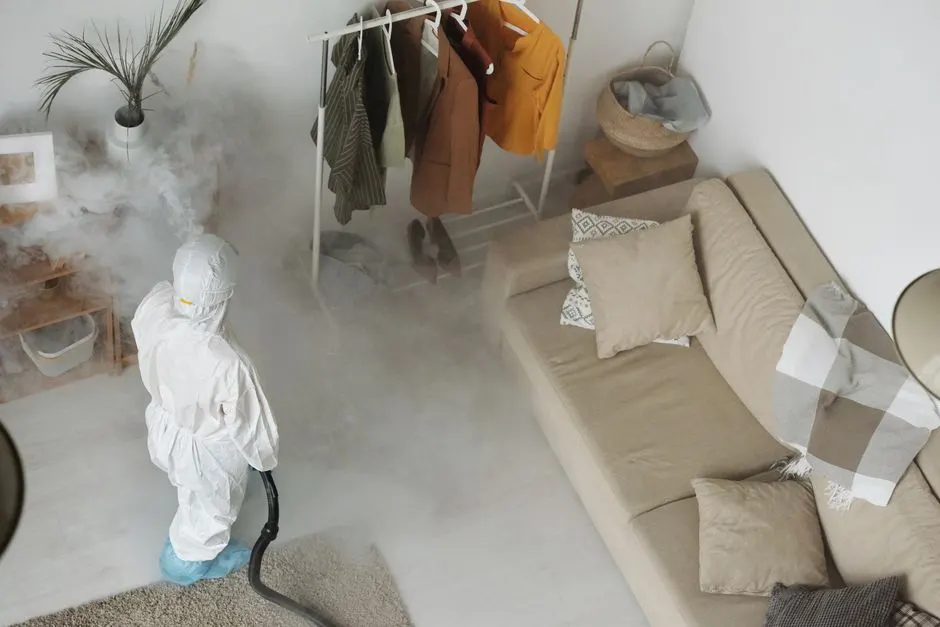 same day Spray Foam RemovalSame day spray foam removal is available across parts of Greater London when access and crew availability allow. Best for urgent survey deadlines or a buyer's last-minute request. Call before midday and we will tell you honestly whether we can get to you that day.Explore →
 24/7 Spray Foam RemovalOur 24/7 spray foam removal line handles emergency call-outs, including water ingress after storms and foam that has started to fail over a habitable room. Commercial clients in Tower Hamlets and Newham use this for out-of-hours roof deck work to avoid disrupting trading.Explore →
 Residential Spray Foam RemovalResidential spray foam removal covers lofts, attics, roof slopes and cavity walls in houses and flats. We protect your home with sheeting and HEPA filtration, remove the foam, treat timbers and leave a report you can pass to a lender or buyer.Explore →
 Commercial Spray Foam RemovalCommercial spray foam removal for warehouses, offices and industrial units across London. We work to method statements and permits, schedule around trading hours and dispose of waste through licensed routes. Suitable for roof decks, plant rooms and cold-store panels.Explore →
 loft spray foam removalLoft spray foam removal is our most common London job. Foam sprayed to the underside of roof tiles traps moisture and causes condensation, rot and mortgage refusals. We strip it back, restore ventilation and document the work so your surveyor can sign off.Explore →
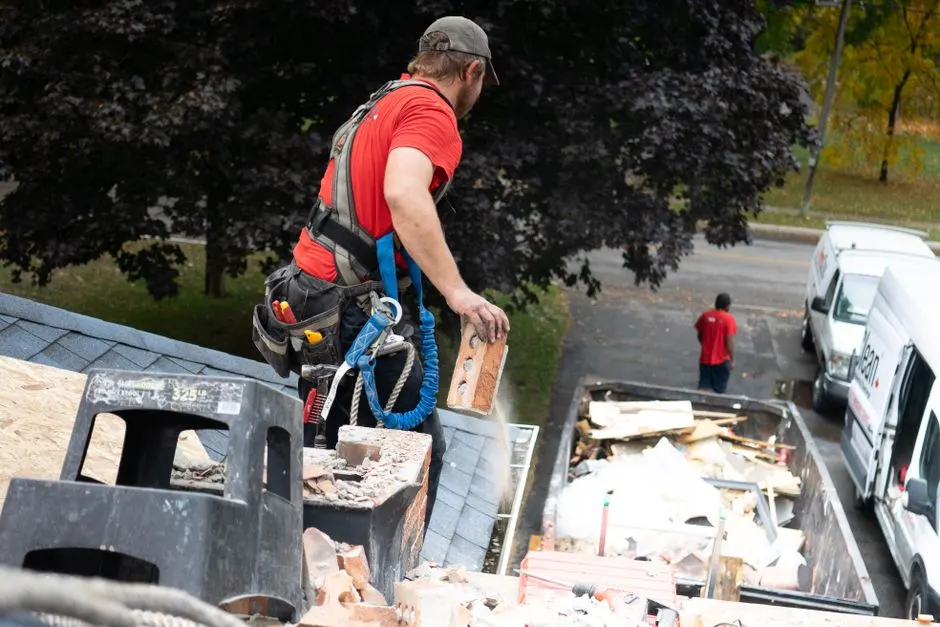 roof spray foam removalRoof spray foam removal deals with foam applied directly to roof timbers and sarking boards. This is the hardest foam to remove without damaging the roof, so we use controlled cutting and blasting rather than brute force. We then check ventilation paths are clear.Explore →
 Attic spray foam removalAttic spray foam removal for London homes where the loft has been converted or partially boarded. We work around stored items, pipes and cabling, removing foam without disturbing services. The attic is left vacuumed and ready for new insulation or a conversion.Explore →
We are CHAS and SafeContractor registered, fully insured and used to working to lender deadlines. Call 020 8088 5342 or request a survey and we will attend within 48 hours with a fixed price.
Request a survey 02080885342 →Call 02080885342 between 8am and 6pm Monday to Friday, or leave a message any time and we will call you back the next morning. Most surveys are booked within 48 hours and quotes go out the same day. Email works too if you have photos of the loft to send over.