Mortgage lender refuses to lend on a foam-filled roof
We strip the foam, inspect the timbers and hand you a dated photo report the same day. That pack goes straight to your lender or surveyor, and most sales get back on track within a fortnight.
Residential Spray Foam Removal in London is what we do every week, from Victorian terraces in Islington to 1930s semis in Bromley. If spray foam is blocking your mortgage, trapping damp in the rafters or pushing your loft temperature up, we cut it out, bag it and leave the timbers clean. Domestic spray foam removal London homeowners can book with a fixed price and no mess left behind.
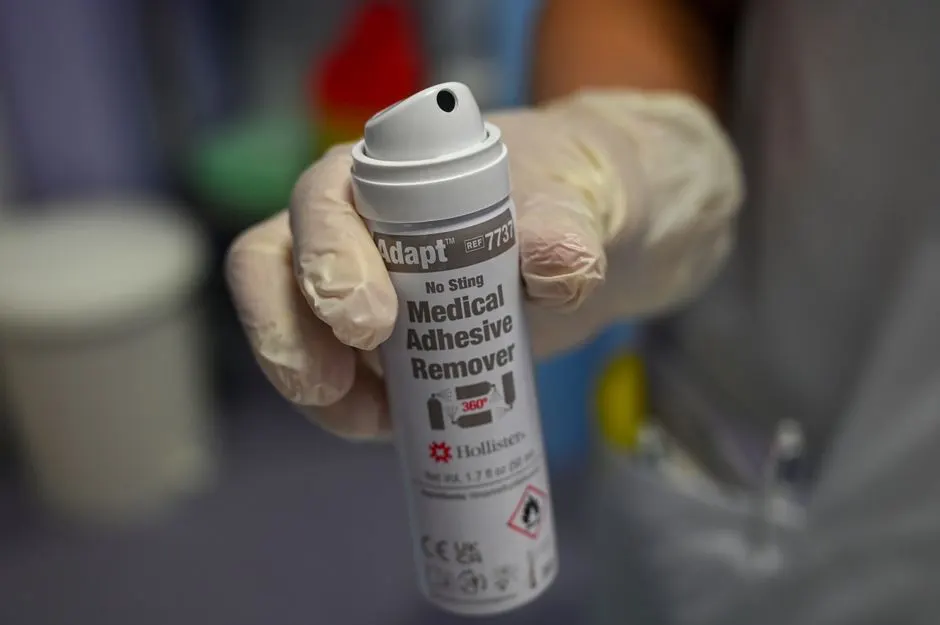
Residential Spray Foam Removal in London is the controlled stripping of cured polyurethane foam from roof decks, rafters, loft floors and cavity walls, followed by disposal and a ventilation check. We cut the foam back with reciprocating saws and oscillating multi-tools, then finish the timber with dry ice blasting or sand blasting media where adhesive residue is stuck fast. Every run is sealed behind protective sheeting, and an industrial vacuum plus air scrubber keeps dust out of your living space.
Most London homeowners call us for one of three reasons: a mortgage lender has flagged spray foam on a survey, the loft smells damp because open cell spray foam has sealed the roof, or a previous installer used closed cell spray foam in a space that needed to breathe. Home spray foam removal London wide is often the only way to get a sale through, and it is far cheaper than a full re-roof. We handle lofts, attics, roof slopes and cavity wall spray foam removal across Greater London.
Every removal job we quote covers the full strip, the dust control, the disposal and the documentation. There are no hidden extras for equipment or waste. If your job needs scaffolding, a new roof covering or full reinsulation, we will tell you at survey and price it separately so you can decide.
Removal of open cell spray foam, closed cell spray foam and polyurethane foam from rafters, roof decks, loft floors and eaves. We cut, blast and hand-finish until the timber is clean enough for a surveyor to inspect.
Protective sheeting, a negative air machine, an air scrubber and HEPA-filtered vacuums for the entire job. Your landing, stairs and bedrooms stay sealed off until the loft is vacuumed and wiped down.
All foam, adhesive residue and blasting media leave the property in disposal bags on the same day. We separate waste streams where we can and dispose of everything through licensed routes, so nothing is left on your drive.
A rafter-by-rafter inspection for rot, staining and damp after the foam comes off. We photograph anything we find and tell you straight away whether it needs a carpenter or just a treatment.
A dated photographic record of the foam before removal, the stripped roof deck and the timber condition afterwards. This is the pack mortgage lenders and surveyors ask for when they reassess a property.
A short written note on what insulation and ventilation your roof actually needs now the foam is gone. We recommend breathable options and flag anything that would repeat the original mistake.
We visit, photograph the foam, and check whether it is open cell or closed cell. We measure the roof area, look at ventilation and note any rot or staining. You get a fixed written price the same day, usually within two hours of the visit.
On the day, we lay protective sheeting over floors, stairs and landing carpet, then seal the loft hatch with a zipped doorway. A negative air machine and air scrubber run throughout so dust and foam particles never reach your bedrooms. Setup takes about 45 minutes.
Technicians in respirators and protective clothing cut the bulk of the foam away with reciprocating saws and oscillating multi-tools. It is slow, controlled work, typically one to three days for a standard London loft. Foam comes out in slabs and goes straight into disposal bags.
Whatever adhesive residue is left on the timber gets removed with a dry ice blasting machine or sand blasting equipment, depending on the substrate. Dry ice is our first choice indoors because it leaves no secondary media to clean up. A thermal imaging camera confirms no damp pockets remain.
We vacuum the whole space with an industrial vacuum fitted with HEPA filters, check every rafter, and photograph the finished roof deck. You get the photos the same day, ready for your lender or surveyor. Most jobs finish with the loft cleaner than we found it.
Purpose-built equipment, used by trained technicians — so the job is done accurately the first time.
Freezes and lifts adhesive residue off rafters without water or grit. It is our first choice indoors because there is no secondary media to clean up afterwards.
Used on hard, flat timber where dry ice is not practical. We seal the area first and vacuum everything back out with HEPA-filtered equipment.
Finds damp pockets and cold spots behind and beneath the foam before and after removal, so we know exactly which rafters need a closer look.
Runs continuously during the strip to capture dust and foam particles. Paired with a negative air machine, it keeps the rest of the house clean.
Cuts the bulk of the foam away in controlled slabs. The multi-tool gets into eaves, dormers and corners a full-size saw cannot reach.
Standard kit for every technician on site. Spray foam chemical hazards and fine dust are real, and we do not cut corners on personal protection.
A three-bedroom Victorian terrace in Islington with open cell spray foam across the entire roof deck. The buyer's lender refused to proceed, the surveyor could not inspect the timbers, and the sale had been stuck for six weeks.
Foam stripped from 38 square metres of roof deck in two and a half days. Timbers photographed and found sound. The photo report went to the lender the same evening, and the sale completed three weeks later.
A 1930s semi in Croydon with closed cell spray foam bonded hard to the rafters. Tenants had complained of a damp smell for two winters, and two rafters had started to soften near the eaves.
Four days of cutting and dry ice blasting removed the foam from 45 square metres. Two rafters were replaced by our carpenter, ventilation was restored, and the smell cleared within a week of completion.
A Hampstead homeowner was quoted for a complete re-roof by a general builder who blamed the spray foam for the damp. The foam was open cell and the roof covering itself was in reasonable condition.
We removed the foam from 52 square metres in three days and confirmed the roof covering was sound. The homeowner avoided a re-roof and paid roughly a third of the original quote.
Spray foam causes a predictable set of problems in London homes. Here are the ones we see most, and what happens if you leave them alone.
Ask a pro →We strip the foam, inspect the timbers and hand you a dated photo report the same day. That pack goes straight to your lender or surveyor, and most sales get back on track within a fortnight.
We remove the foam, use a thermal imaging camera to find damp pockets, and check every rafter by hand. Any rot gets flagged immediately so you can decide whether to treat or replace before it spreads.
Removing the foam reopens the ventilation path the roof was designed with. We clear the eaves, confirm airflow and recommend breathable insulation so the problem does not come back the following winter.
Once the foam is gone, the roof deck is fully visible. We photograph every rafter and provide a clear written record, so your surveyor can give an unqualified opinion on the structure.
Most London lofts come in between 1,800 and 4,500 pounds, with larger roofs or thick closed cell spray foam reaching 6,000 pounds or more. A typical 40 square metre loft floor with open cell spray foam sits around 2,400 pounds in 2026. Access, foam thickness, contamination and disposal volume move the number most. We give you a fixed price after a free survey.
Yes. We cover every London borough, from Barnet and Haringey down to Croydon, Sutton and Bromley, and we work on occupied homes as well as empty ones. Most surveys are booked within 48 hours of your call, and standard lofts are stripped in one to three working days. Same-day and 24/7 slots are available when a deadline is tight.
It depends on your policy. Some insurers cover removal when the foam was installed by a previous contractor and has caused damp or rot, while others treat it as an improvement or maintenance issue. Check your buildings cover and any legal expenses add-on. We provide a full photo report and written method statement that you can submit with a claim.
A standard London loft takes one to three working days. A small attic with thin open cell spray foam can be done in a single day, while a full roof with closed cell spray foam across rafters and eaves can run four to five days. We confirm the schedule at survey and keep the same crew on the job from start to finish.
 Spray Foam Removal near meIf you are searching for spray foam removal near me, we cover every London postcode with a local crew. Same survey, same fixed pricing, same dust control whether you are in Camden or Croydon.Explore →
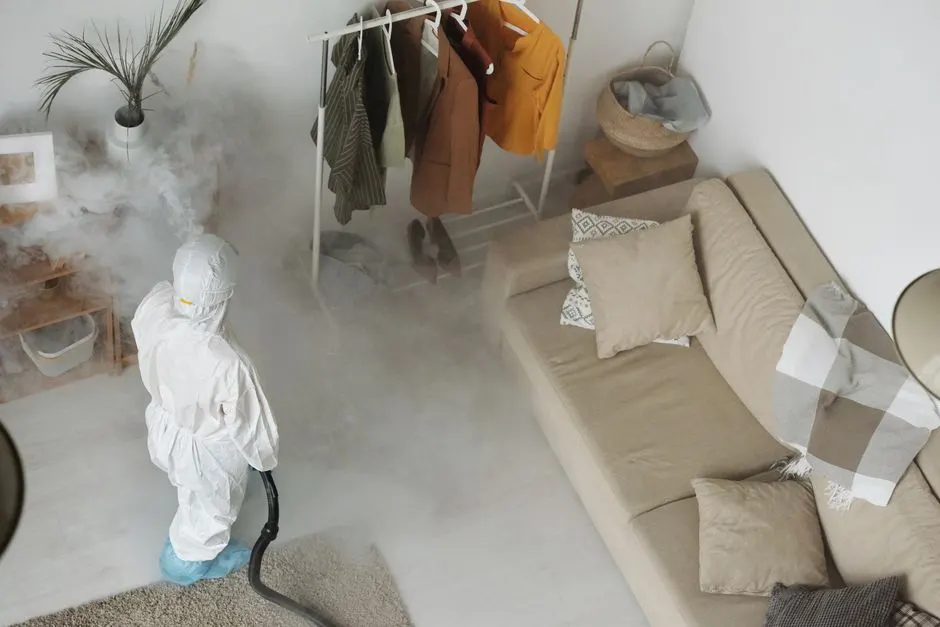 same day Spray Foam RemovalWhen a survey or completion date is closing in, our same day spray foam removal gets a technician to you within hours across Greater London. Ideal for last-minute lender requirements and urgent sale deadlines.Explore →
 24/7 Spray Foam RemovalOur 24/7 spray foam removal line handles evening and weekend call-outs for landlords, agents and homeowners on tight timelines. Call 020 8088 5342 and we will arrange the earliest slot, day or night.Explore →
 Commercial Spray Foam RemovalThe same methods scale up for commercial spray foam removal on shops, offices and light industrial units. We work around trading hours, use larger air scrubbers and provide the documentation facilities managers need.Explore →
 loft spray foam removalLoft spray foam removal is our most requested job. We strip foam from rafters, eaves and loft floors, restore ventilation and leave the space clean enough to use for storage the same week.Explore →
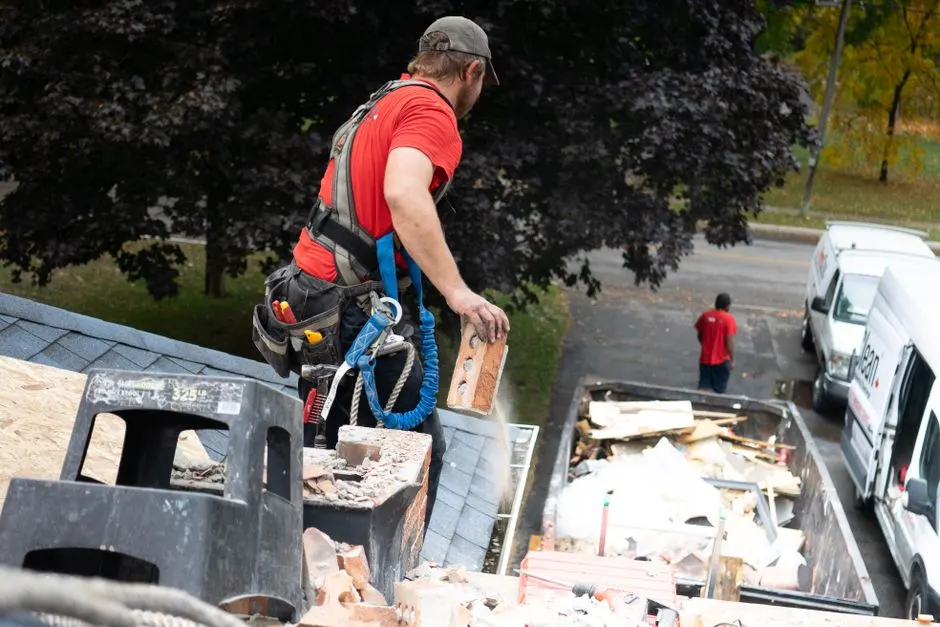 roof spray foam removalRoof spray foam removal targets foam sprayed directly onto the underside of the roof covering or between rafters. We work from inside the loft, so there is no need to strip tiles or scaffold the property.Explore →
 Attic spray foam removalAttic spray foam removal covers smaller roof spaces, dormers and awkward corners where access is tight. We use compact cutting tools and hand-finished blasting to reach foam a standard crew would miss.Explore →
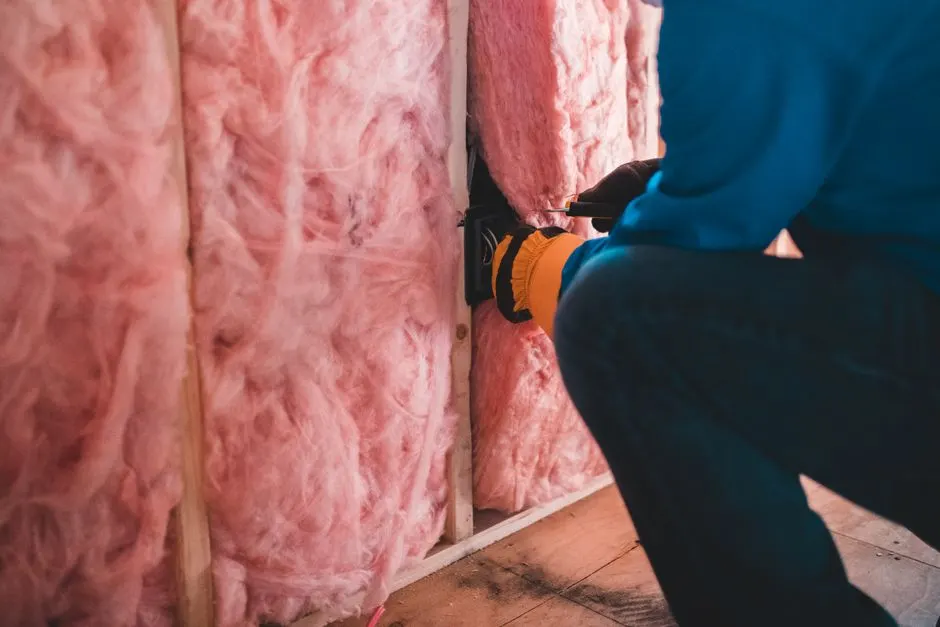 spray foam insulation removalGeneral spray foam insulation removal covers any foam type, any depth, any location in the home. If you are unsure what you have, we identify it at survey and quote accordingly.Explore →
Fixed price, free survey, CHAS and SafeContractor accredited, and a workmanship warranty on every job. Call Serenity Spray Foam Installers on 020 8088 5342 and we will book your survey, often the same day.
Get a free quote 02080885342 →Call 02080885342 between 8am and 6pm Monday to Friday, or leave a message any time and we will call you back the next morning. Most surveys are booked within 48 hours and quotes go out the same day. Email works too if you have photos of the loft to send over.