Mortgage rejected because of spray foam
We remove the foam, expose the timbers, and provide a written summary with photographs for your lender and surveyor. Most cases we handle in London are approved within a week of the report being issued.
spray foam insulation removal in London, Greater London is the fastest way to clear a loft that has failed a survey or stalled a mortgage. We cut out open cell and closed cell foam, bag it, and leave the timbers clean and breathable. Most London jobs take one to three days, and we work across every borough.
spray foam insulation removal in London, Greater London is the controlled cutting, scraping and extraction of polyurethane foam from lofts, rafters and roof decks. We start with a thermal imaging camera survey to map coverage, then cut the foam into manageable blocks with a reciprocating saw and oscillating multi-tool. An industrial vacuum and air scrubber capture dust and chemical particles at source, while the whole area is sealed behind protective sheeting.
Most calls we take in London come from homeowners who have had a mortgage rejected due to spray foam, or who cannot get a survey because the foam hides the roof structure. Others have spotted loft condensation, damp patches or a musty smell and want it gone before rot sets in. If you need insulation removal near me London, we cover every borough from Croydon to Enfield and quote before we start.
Every removal job includes the survey, the cutting and extraction, the clean-up and the disposal. We do not charge extra for the things that should be standard, like dust control or a written roof condition summary. Anything beyond removal, such as re-insulation or roof repairs, is quoted separately once you have seen what is under the foam.
We map the foam coverage with a thermal imaging camera before quoting. This shows us where the foam is thin, where it is thick, and whether there are cold spots that suggest damp or missing insulation elsewhere in the roof.
Protective sheeting, a negative air machine, an air scrubber and HEPA filters go in before any cutting starts. Foam dust and particles are captured at source, so the rest of your home stays clean. This is standard on every job, not an optional extra.
We cut out open cell and closed cell foam from rafters, roof decks and loft floors using reciprocating saws and oscillating multi-tools. Adhesive residue is scraped back so the timbers are clean and ready for inspection or a new insulation system.
Once the foam is off, we inspect the exposed timbers for damp, rot and insect damage. You get a written summary with photographs. This is the document most lenders and surveyors ask for when a mortgage has been held up by spray foam.
All foam, bags and protective sheeting are removed from site and disposed of through licensed waste carriers. You do not need to hire a skip or arrange anything yourself. We provide waste transfer documentation on request.
We visit, measure the foam coverage, and check the roof structure with a thermal imaging camera. You get a fixed price before we start, not an estimate that creeps. Most surveys take 30 to 45 minutes, and we can usually book you in within a week.
We lay protective sheeting over floors and belongings, then set up a negative air machine and air scrubber to keep dust and foam particles out of the rest of the house. Windows stay shut, and we seal the loft hatch. This stage takes about an hour on a typical London terrace.
Using a reciprocating saw and oscillating multi-tool, we cut the foam into blocks and prise it away from the timbers. Open cell foam comes out faster than closed cell, which is denser and grips harder. A two-person crew clears an average loft in one to two days.
We vacuum every surface, scrape off adhesive residue, and inspect the exposed rafters for damp, rot or insect damage. If we find a problem, we photograph it and talk you through the options. You get a written summary of the roof's condition for your records.
All foam, bags and protective sheeting are removed and disposed of through licensed waste carriers. We sweep the loft, refit the hatch, and walk you through the finished space. Most customers get their loft back the same day we finish cutting.
Purpose-built equipment, used by trained technicians — so the job is done accurately the first time.
Maps foam coverage and reveals cold spots that suggest damp, missing insulation or hidden gaps in the roof structure before we quote.
Cuts dense closed cell foam into blocks and prises it away from rafters with minimal damage to the timber. Bosch and Makita cordless tools are used where access is tight.
Captures foam dust and particles at source. Combined with a negative air machine and HEPA filters, it keeps the rest of your home clean during removal.
Removes stubborn adhesive residue and thin foam from delicate surfaces without abrasion. Dry ice pellets lift the foam and leave the substrate clean.
Strips foam and residue from brick, concrete and steel substrates where cutting is not practical. Used with full containment and controlled media.
Standard issue for every operative. Spray foam dust and chemicals are a hazard, so we wear 3M respirators and full protective clothing throughout the job.
A three-bedroom terrace had closed cell foam across the entire roof deck. The buyer's lender refused the mortgage because the surveyor could not inspect the timbers. The sale had been stalled for six weeks.
We removed the foam in two days, inspected the rafters, and issued a written condition report with photographs. The surveyor completed the inspection, and the lender reinstated the mortgage offer within a week.
A Victorian terrace had open cell foam sprayed between the rafters and blocked vents. The owner reported dripping condensation and a musty smell. Stored boxes were damp and one ceiling had a water stain.
We removed the foam in a single day, cleared the blocked vents, and restored airflow through the roof void. The condensation stopped within a week, and the ceiling stain dried out without further damage.
A distribution warehouse had spray foam across a large section of roof deck. The client needed it removed for an insurance inspection but could not shut the site during working hours.
We worked evenings and weekends with full containment, clearing the section in five days. The insurance inspection passed, and the client had waste transfer documentation and a roof condition report for their records.
Spray foam causes a small number of predictable problems, and they all get worse if you leave them. These are the ones we see most often across London.
Ask a pro →We remove the foam, expose the timbers, and provide a written summary with photographs for your lender and surveyor. Most cases we handle in London are approved within a week of the report being issued.
Removal lets the roof breathe again. We inspect every rafter we expose and flag any decay. If rot is found, we photograph it and explain what repair is needed before you commit to anything.
Once the foam is out, we clear blocked vents and restore a proper air path. This usually fixes the condensation at source. We also check that the roof void is properly ventilated before we leave.
We remove enough foam to give full access to the roof structure, then document the condition. Surveyors can then complete their inspection. We can work to a deadline if your completion date is pressing.
Most London lofts cost between 1,800 and 4,500 pounds to clear, depending on foam type and coverage. Open cell foam is cheaper to remove than closed cell because it cuts faster. Access, roof height and disposal also affect the price. We give you a fixed quote after a free survey, so you know the full cost before we start. Warehouse and commercial roofs are priced separately.
Yes. We remove open cell and closed cell spray foam from lofts, rafters, roof decks and cavity walls across every London borough. If the foam was installed by Icynene, BASF, Demilec or Lapolla, we have seen it before. We survey first to confirm access and check the timbers. In most homes, removal takes one to three days.
It is necessary when the foam is causing a problem: a rejected mortgage, a failed survey, trapped damp, or roof timbers that cannot be inspected. If the foam is dry, well installed and causing no issues, removal may not be needed. We will tell you honestly at the survey. We do not push removal on homes that do not need it.
A typical London loft takes one to three days from setup to handover. Open cell foam in a small terrace can be done in a day. Closed cell foam on a larger semi or detached house usually takes two to three days. Warehouse spray foam removal London projects can run a week or more. You get a clear timeline with your quote.
 Spray Foam Removal near meIf you are searching for spray foam removal near me in London, we cover every borough from Westminster to Havering. We survey, quote and remove, with no call-out charge inside the M25.Explore →
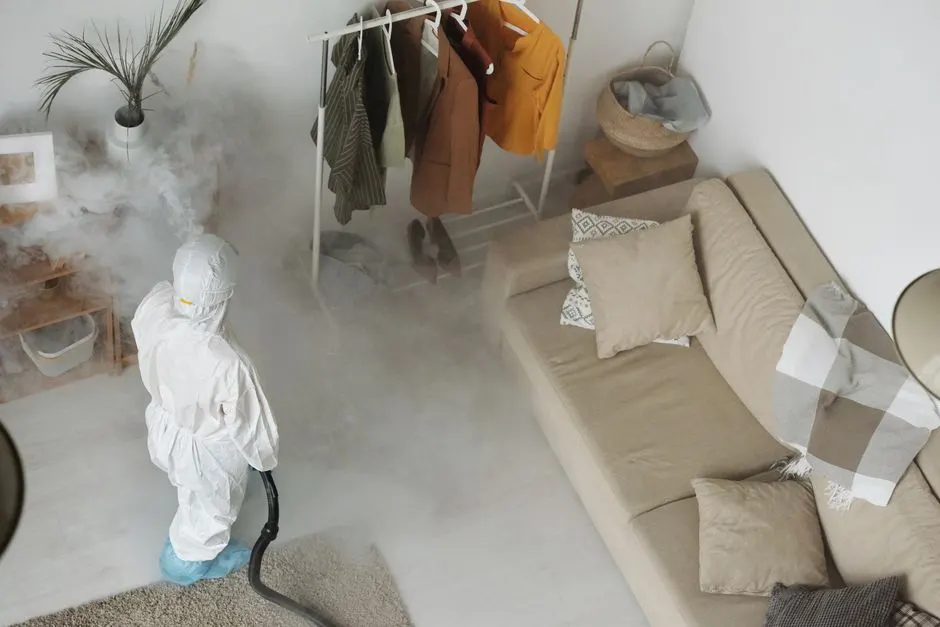 same day Spray Foam RemovalWhen a survey or completion date is tight, we offer same day spray foam removal London appointments where the diary allows. Call before 10am and we will tell you straight away if we can get to you.Explore →
 24/7 Spray Foam RemovalFor commercial premises and urgent water ingress behind foam, our 24/7 spray foam removal line stays open. We can make safe overnight and return for full removal in daylight hours.Explore →
 Residential Spray Foam RemovalMost of our work is residential spray foam removal in London terraces, semis and conversions. We protect floors and belongings, control dust, and leave the loft clean and inspectable.Explore →
 Commercial Spray Foam RemovalWe clear spray foam from warehouses, offices and industrial roofs across Greater London. Work is scheduled around your operating hours, with method statements and risk assessments provided.Explore →
 loft spray foam removalLoft spray foam removal is our most common London job. We cut out the foam, check the rafters for damp, and restore airflow so the roof can breathe again.Explore →
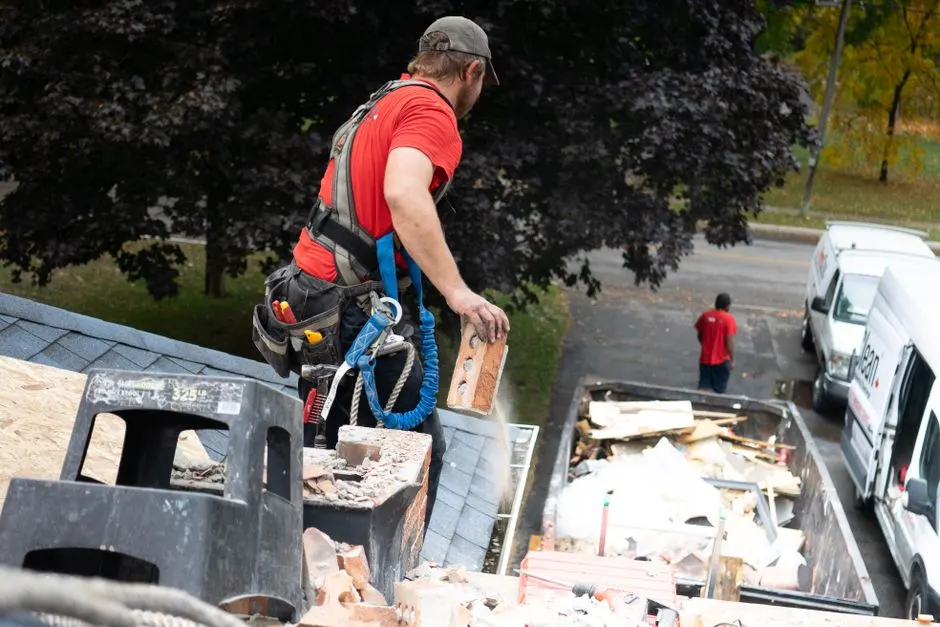 roof spray foam removalFoam applied directly to roof decks traps moisture and blocks ventilation. Our roof spray foam removal service clears the deck and lets us inspect the felt and battens underneath.Explore →
 Attic spray foam removalAttic spray foam removal follows the same careful process as loft work, with extra attention to access. We use compact cutting tools where stairwells and hatches are tight.Explore →
Fixed price, dust-controlled removal with a written roof condition summary for your lender. Call 02080885342 or request a survey online. We cover every London borough and can usually book you in within a week.
Request a survey 02080885342 →Call 02080885342 between 8am and 6pm Monday to Friday, or leave a message any time and we will call you back the next morning. Most surveys are booked within 48 hours and quotes go out the same day. Email works too if you have photos of the loft to send over.