Kensington Palace
A reliable orientation point on the west side of the borough, useful for locating streets around Kensington Gardens and the W8 addresses that back onto the park.
Spray foam removal in Kensington and Chelsea is what we do every week, from Victorian terraces off Portobello Road to mansion flats in SW3. If a surveyor, lender or buyer has flagged spray foam in your loft, we take it out, clean the timbers and leave the roof space ready for a mortgage valuation. We cover Kensington, Chelsea, Notting Hill, Holland Park and Earl's Court, with same day spray foam removal Kensington and Chelsea homeowners can book before a survey deadline. Call 020 8088 5342 and we will tell you straight what the job needs.
Demand for spray foam removal near Kensington and Chelsea splits roughly three ways: loft and attic foam flagged at survey, cavity wall foam causing damp and cold bridging, and commercial units in the West Brompton and Earl's Court fringes where old insulation has to come out before a refit. If you have been searching for spray foam removal near me Kensington and Chelsea, this is the list of what we actually do here, week in, week out.
 Spray Foam Removal near meWe cover every Kensington and Chelsea postcode, from SW3 and SW7 to W8 and W11. Most call-outs are loft foam found during a survey, and we can usually survey within 48 hours. You get a written scope, a fixed price and a clear date before we start cutting anything.View details →
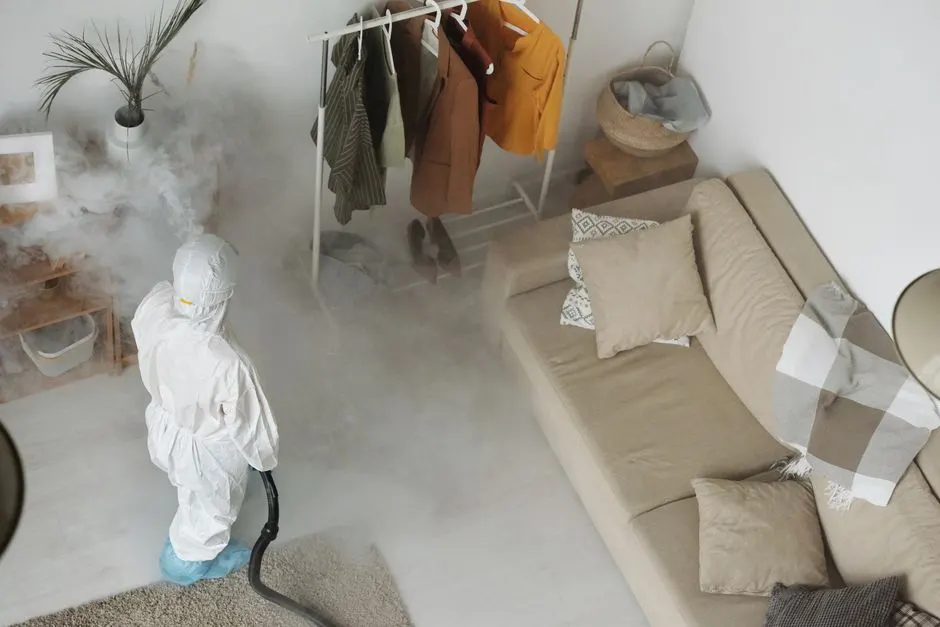 same day Spray Foam RemovalWhen a valuation is booked and the foam has to go, we run same day slots across Kensington, Chelsea and Earl's Court. Small loft jobs of 15 to 25 square metres can be cleared in a single visit. Call before 10am and we will tell you honestly whether we can get to you that day.View details →
 24/7 Spray Foam RemovalOur phone line stays open around the clock for Kensington and Chelsea. Genuine emergencies are rare with foam, but we do get urgent calls when a completion date moves or a buyer's surveyor needs access at short notice. Out-of-hours call-outs are quoted before we travel, so there are no surprises.View details →
 Residential Spray Foam RemovalMost of our Kensington and Chelsea work is residential: terraced houses in W11, mansion flats in SW7, and stucco-fronted townhouses in SW3. We protect staircases, cornices and original plaster with protective sheeting, then remove foam, vacuum the timbers and leave the loft clean enough for a valuer to inspect.View details →
 Commercial Spray Foam RemovalShops, offices and small industrial units around West Brompton and the Earl's Court Road corridor often have spray foam in roof voids that has to come out before a refit or a change of use. We work evenings and weekends to keep your trading hours intact and dispose of everything through licensed waste routes.View details →
 loft spray foam removalLoft spray foam removal Kensington and Chelsea is our most booked job. Foam sprayed between rafters traps heat and blocks ventilation, which is exactly what surveyors flag. We cut it back with oscillating multi-tools, clear the debris with an industrial vacuum, and check airflow at the eaves before we sign the job off.View details →
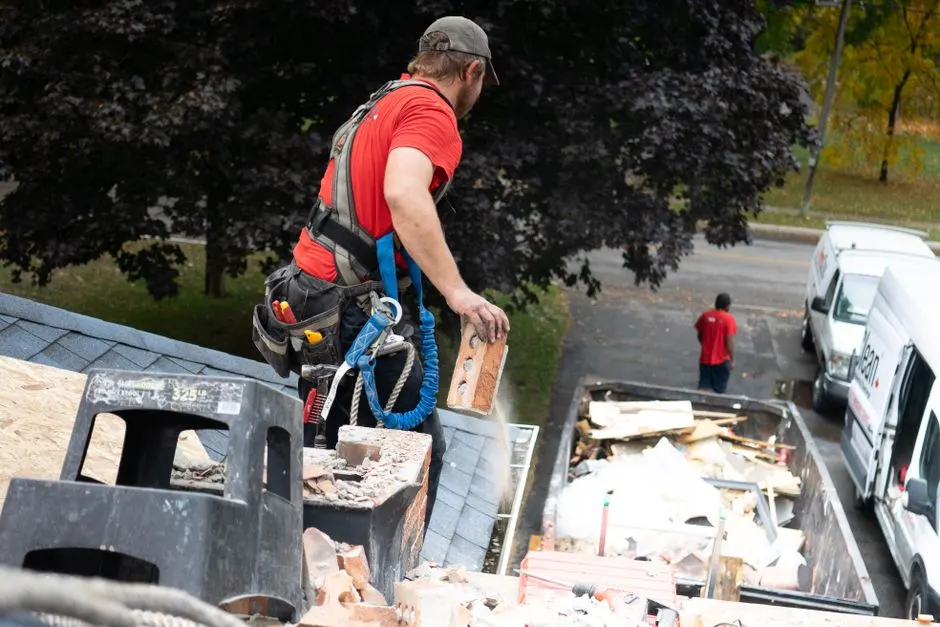 roof spray foam removalFoam sprayed directly onto the underside of roof tiles or slates is the hardest to remove and the most damaging if left. In Kensington and Chelsea's older roofs, it can hide broken battens and damp felt. We remove it in sections, inspect the structure underneath, and report anything that needs a roofer's attention.View details →
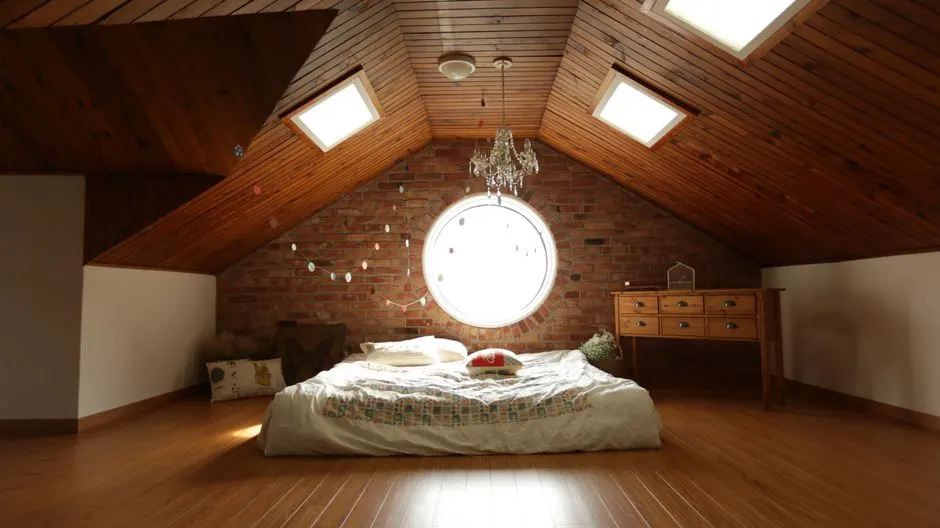 Attic spray foam removalAttics in Holland Park and Notting Hill often have low headroom and awkward access hatches. We use compact extraction kit and negative air machines to keep dust out of the house while we clear foam from the rafters and ceiling joists. Most attic jobs take one day, sometimes two on larger houses.View details →
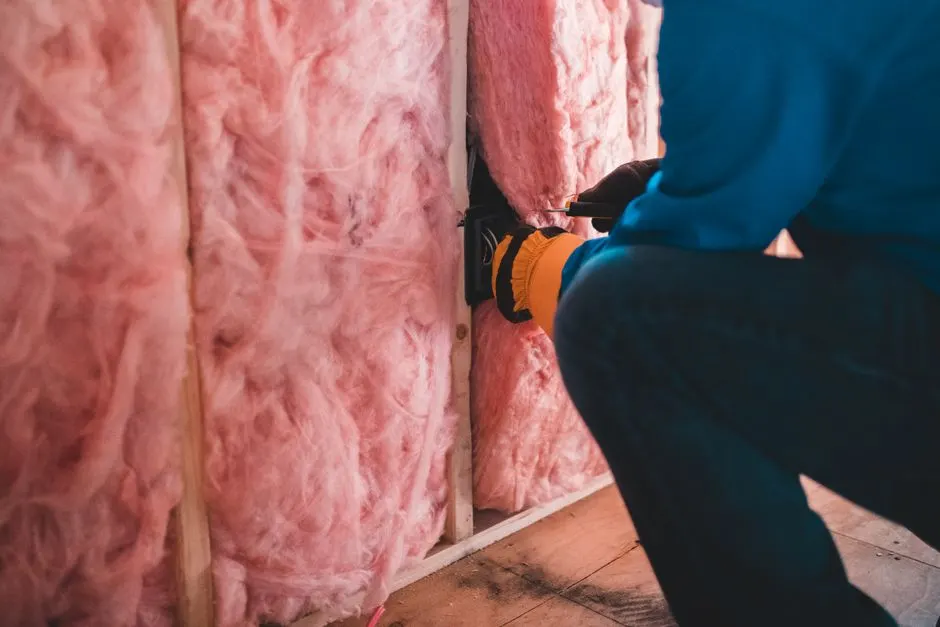 spray foam insulation removalFull spray foam insulation removal means taking out the foam, the adhesive residue and any contaminated insulation beneath it. We use dry ice blasting on delicate timbers where scraping would cause damage, then vacuum and bag everything. You get the loft back in a condition a lender will accept.View details →
 open cell spray foam removalOpen cell spray foam is softer and lighter than closed cell, but it still fails mortgage surveys because it traps moisture against timbers. We remove it with reciprocating saws and hand tools, then run a thermal imaging camera over the rafters to confirm no damp pockets are left behind in your Kensington and Chelsea loft.View details →
 closed cell spray foam removalClosed cell spray foam sets like dense plastic and is the type lenders object to most. Removing it from SW3 and SW7 lofts takes longer, and we often need sand blasting equipment or dry ice pellets to shift the last of the adhesive residue without gouging the timber. Expect two to three days on a typical roof.View details →
 mortgage lender spray foam removalIf your lender or valuer has asked for foam removal before they will release funds, we produce the paperwork they need: method statement, before-and-after photographs, and a signed confirmation that the loft is clear. We have helped buyers in SW5 and W8 keep their purchase on track when a survey threatened to derail it.View details →
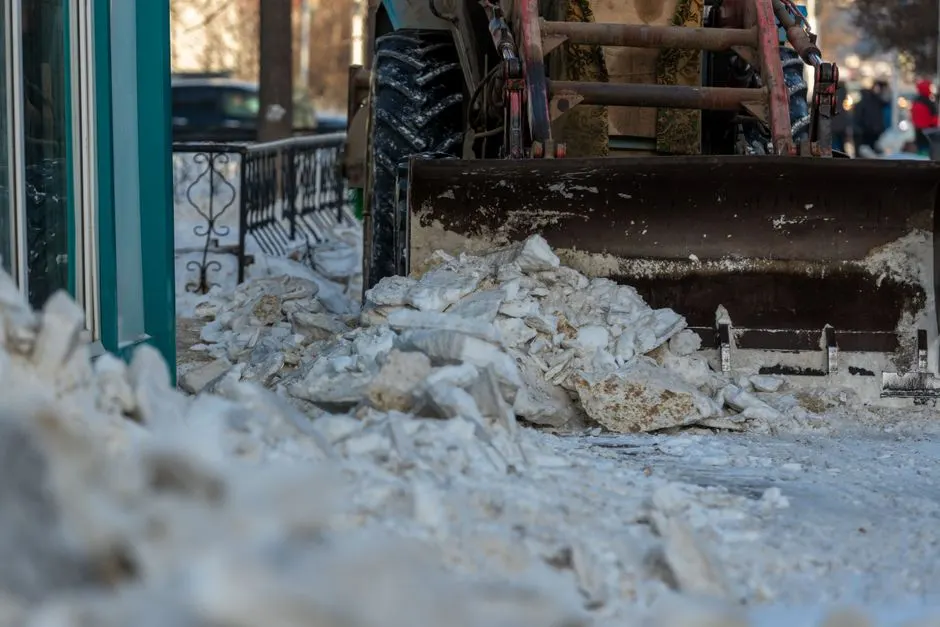 insulation removal serviceSometimes the foam has to go along with old mineral wool, contaminated boards or crumbling lagging. Our insulation removal service in Kensington and Chelsea covers the full strip-out, including disposal bags, HEPA-filtered extraction and a final clean-down so the space is ready for new insulation or a conversion.View details →
 insulation assessmentNot every foam job needs a full removal. Our insulation assessment uses a thermal imaging camera and a moisture meter to show you exactly what is in the loft, how far it has spread, and whether a lender is likely to accept it. You get a written report with photographs, usually within 48 hours of the visit.View details →
 dry ice blasting spray foam removalDry ice blasting is our go-to method on listed buildings and delicate timber in Kensington and Chelsea. Dry ice pellets lift foam and adhesive residue without abrasive damage, and because the media sublimates there is far less secondary waste to clear. It costs more per day but protects fabric you cannot replace.View details →
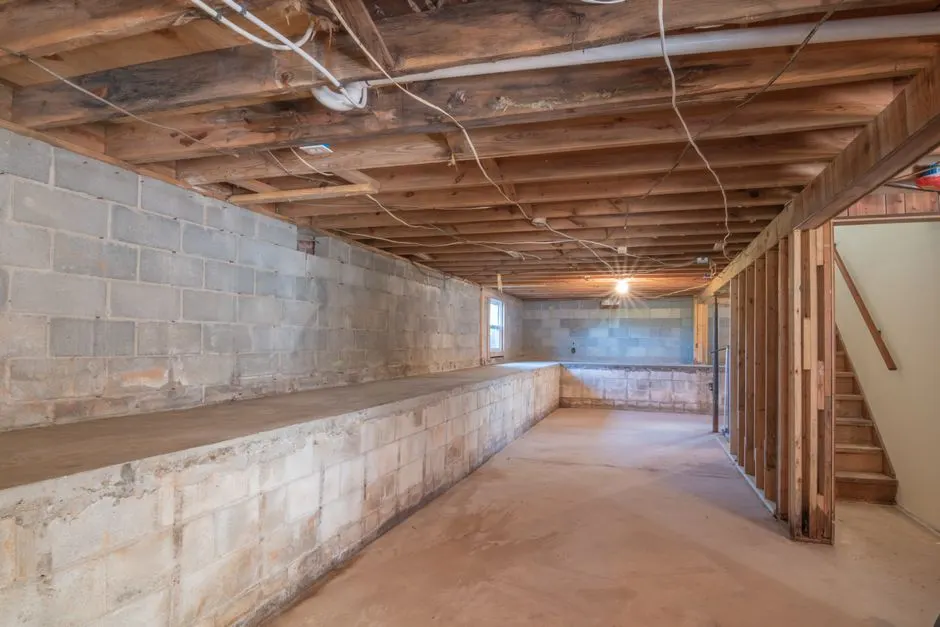 Cavity wall spray foam removalCavity wall foam was installed under older grant schemes and now causes damp, cold bridging and failed surveys across W10 and W11. Removal means drilling the outer leaf, extracting the foam with specialist kit, and making good the brickwork. It is dusty work, and we schedule it so your neighbours are not affected.View details →
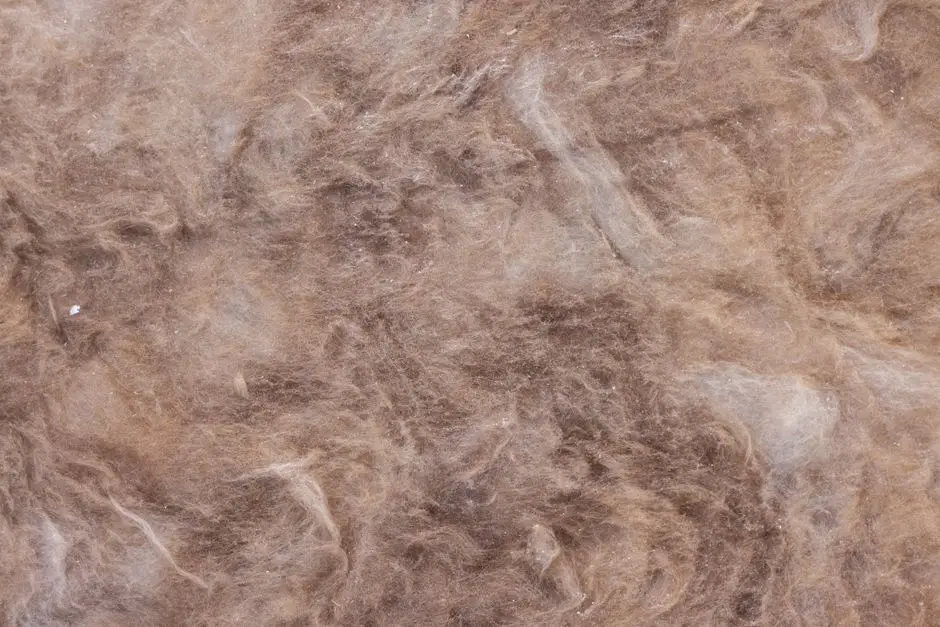 sand blasting spray foam insulation removalOn brickwork, stone and heavy timber where foam has bonded hard, sand blasting media cuts through the residue faster than hand tools. We use it carefully in Kensington and Chelsea's conservation areas, masking surrounding surfaces and controlling dust with air scrubbers so nothing nearby is marked.View details →
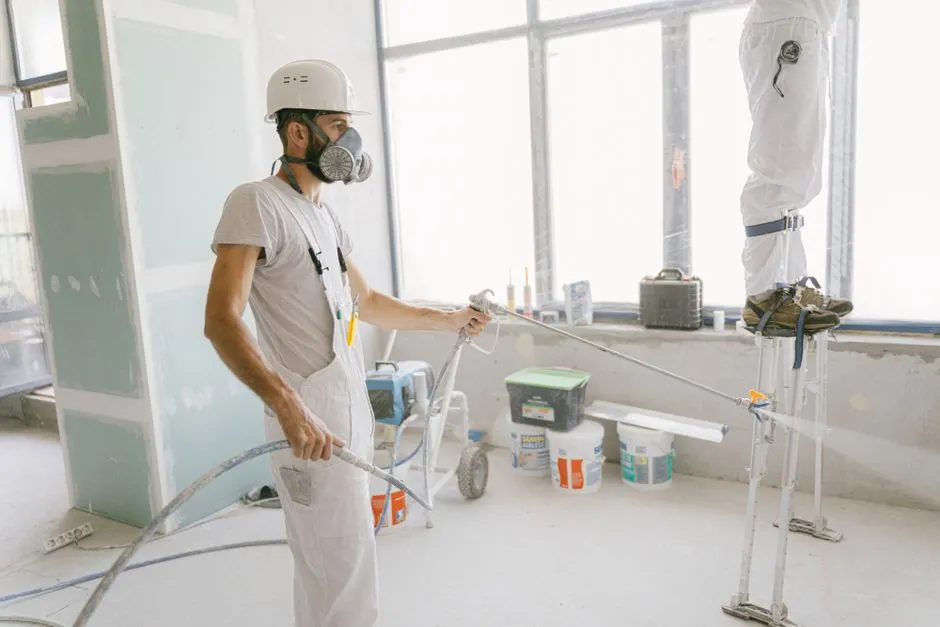 thermal spray foam removalThermal spray foam sits tight against roof membranes and can be hard to spot. We use a thermal imaging camera to map exactly where it is before we cut, which means less unnecessary damage to felt and battens. It is the difference between a targeted removal and a full roof strip.View details →
 environmentally friendly insulation removalWe keep waste out of landfill wherever we can. Foam and contaminated insulation are bagged and sent through licensed disposal routes, dry ice blasting cuts secondary waste, and our vacuums run HEPA filters so dust does not end up in your street. It is cleaner for your home and for the borough.View details →
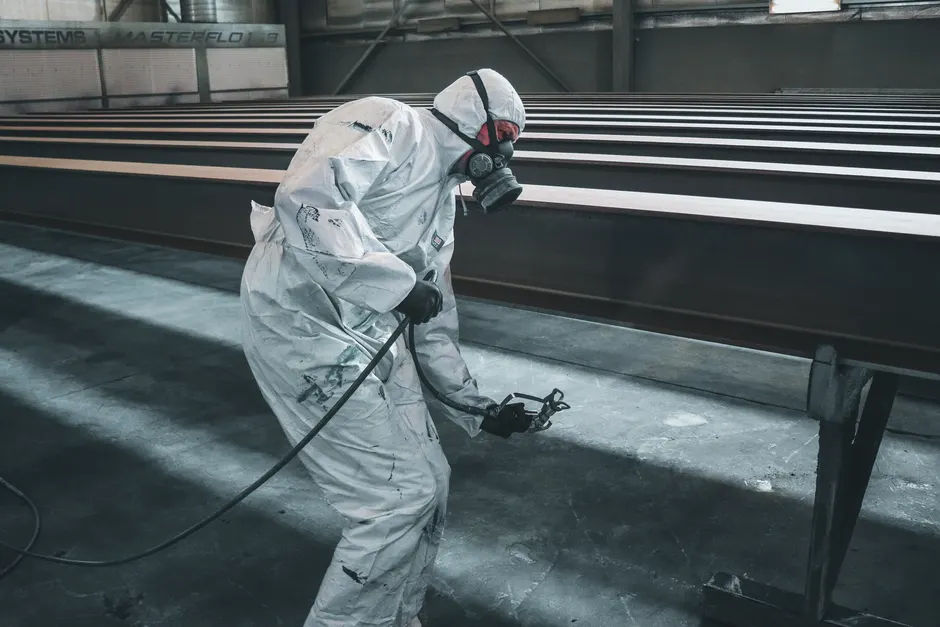 Warehouse spray Foam removalWarehouse and light industrial units on the western edge of the borough often have spray foam across large roof areas. We work in phases so part of the building stays usable, use negative air machines to control dust, and can operate overnight if your tenant needs the space back by morning.View details →
Spray foam removal in Kensington and Chelsea Greater London is planned around the borough's quirks, not a generic checklist. Parking is the first problem: most streets in SW3 and W8 are permit-controlled, so we book visi
Vans cannot park on yellow lines or residents' bays without a suspension, which adds lead time to every job in SW3, SW7 and W8.
How we help: We apply for parking suspensions or book visitor permits as soon as you confirm the date, usually three to five working days ahead. If a suspension is refused, we use a licensed waste transfer point nearby and carry materials by hand rather than cancel.
Standard extraction equipment will not fit through many hatches in Victorian terraces around W11 and SW5, slowing the job and risking damage to ceilings.
How we help: We survey the hatch and loft space first, then bring compact vacuums and modular ducting that break down to fit. Where the hatch is genuinely too small, we discuss a temporary access panel with you before any work starts.
Abrasive removal methods can damage historic timber, plaster and brickwork that cannot be replaced, and some methods need consent.
How we help: On listed properties we default to dry ice blasting and hand tools, mask surrounding surfaces with protective sheeting, and keep sand blasting for areas where it is safe. We work to the conservation officer's conditions and photograph everything before and after.
Surveyor or valuer flags foam in the loft
Damp patches on upstairs walls or ceilings
Condensation and mould in the loft
Cold rooms directly below the roof
Buyer or lender asking for a removal certificate
Kensington and Chelsea is compact but slow to cross, and we plan routes around the landmarks rather than the postcode. Kensington Palace and the Royal Albert Hall are the two easiest orientation points on the west side, while the museum cluster around Exhibition Road anchors the south. Portobello Road Market tells us when to avoid W11 on a Saturday, and Harrods is the reference point we use for jobs around Knightsbridge and the Brompton Road side of SW3.
A reliable orientation point on the west side of the borough, useful for locating streets around Kensington Gardens and the W8 addresses that back onto the park.
Sits at the southern edge of Kensington Gardens and marks the boundary between SW7 and W8, which helps us route vans between South Kensington and Notting Hill without crossing the busiest junctions.
Anchors the Exhibition Road museum cluster in SW7. Jobs in the surrounding mansion blocks are usually walked from here when parking is restricted.
On Cromwell Road, a useful marker for the SW7 and SW5 boundary and for planning access to streets south of the museums.
These are our most frequently served ZIP codes. Nearby areas may also qualify—call if you do not see yours.
Notting Hill · Holland Park · South Kensington · Earl's Court
Our team can help if your question is not answered here.
Call 02080885342 →Most loft jobs run from 1,800 to 4,500 pounds, and full roof removals with closed cell foam can reach 6,500 pounds or more. Cavity wall removal is usually 2,200 to 4,500 pounds. The final figure depends on foam type, access and whether the building is listed. We quote a fixed price after the survey.
We do, across every borough postcode from SW3 and SW5 to W8 and W11. Serenity Spray Foam Installers has worked Kensington and Chelsea since 2022, covering loft, roof, attic and cavity wall foam removal. Call 020 8088 5342 and we will book a survey, usually within 48 hours.
Yes, subject to crew availability. Call before 10am and we will tell you honestly whether we can reach you that day. Small loft jobs of 15 to 25 square metres can often be cleared in a single visit, which is useful when a valuation is already booked.
We cover the whole borough, including Kensington, Chelsea, Notting Hill, Holland Park, Earl's Court, South Kensington, Knightsbridge and West Brompton. We also work in neighbouring Westminster, Hammersmith and Fulham and Wandsworth, so we are rarely far from a Kensington and Chelsea job.
The best removal is the one a lender accepts without argument. That means full extraction, clean timbers, reinstated ventilation and proper paperwork. We use thermal imaging cameras, HEPA-filtered vacuums and dry ice blasting on delicate buildings, and we hand you a photographic report for your lender or solicitor.
Free survey, fixed price, and photographs for your lender when we finish. Call 02080885342 or email us and we will book you in, often within 48 hours.
Tell us what you are seeing and where you are located. Our team will call to confirm the right appointment type and timing.