Covent Garden Piazza
The Piazza is the main orientation point for the area. We use it to plan access to the surrounding streets and to identify which loading bays are closest to a given address.
Spray foam removal in Covent Garden is what we do every week, from the Georgian terraces off Neal's Yard to the flats above the Apple Market. We cut out open cell and closed cell foam, bag it, and leave your loft ready for a survey or a sale. Four years trading, fully insured, and we work around Covent Garden's parking and conservation rules without drama.
Every job in Covent Garden starts with an insulation assessment, because foam in a 200-year-old roof behaves differently to foam in a 1970s block. We cover lofts, roof voids, cavity walls and commercial units across WC2, WC1, W1 and EC1. If you have been searching for Spray foam removal near me Covent Garden and getting national call centres, you are in the right place. We are a local crew and we quote honestly.
 Spray Foam Removal near meOur nearest-van service covers Covent Garden, Charing Cross and Leicester Square, usually within the hour. We carry dry ice blasting machines and industrial vacuums on board, so most loft foam removals are done in a single visit. If you are in a flat above a shop on the Strand, we work around trading hours.View details →
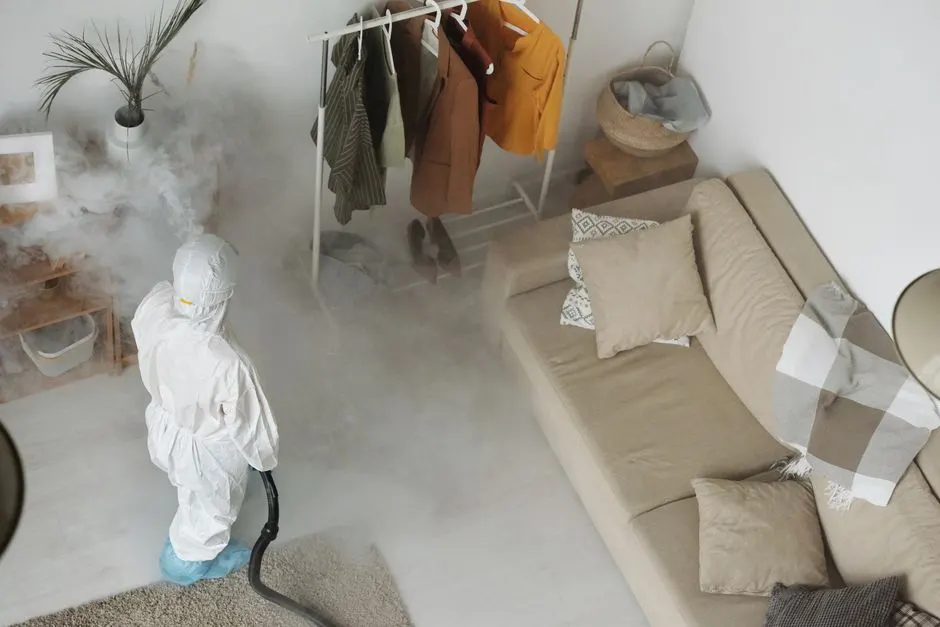 same day Spray Foam RemovalSame day Spray foam removal Covent Garden is realistic when you call before midday. We keep a slot open each day for urgent jobs, typically mortgage deadlines or a surveyor coming back. Foam is cut out, bagged and removed the same afternoon, and you get written confirmation of removal for your lender.View details →
 24/7 Spray Foam Removal24/7 Spray foam removal in Covent Garden covers water ingress emergencies where foam is holding moisture against the roof structure. If a leak has soaked the foam and you need it out before further damage, we run an out-of-hours crew. Expect a call-out charge after 8pm, quoted upfront before we set off.View details →
 Residential Spray Foam RemovalMost of our Covent Garden work is residential: flats, maisonettes and small houses around Neal's Yard, Seven Dials and the streets behind the Royal Opera House. We protect stairwells and carpets with protective sheeting, run HEPA filters, and keep the dust out of your kitchen. Foam goes out in sealed disposal bags.View details →
 Commercial Spray Foam RemovalCommercial units around the Piazza and along Long Acre often have foam in roof voids above retail space. We work early mornings or after close so trade is not disrupted. Larger areas are handled with air scrubbers and negative air machines to keep the sales floor clean, and we can phase the removal over several nights.View details →
 loft spray foam removalLoft spray foam removal Covent Garden is the job we get called for most. Victorian lofts here are shallow, with rafters at 400mm centres and no ridge ventilation. We cut the foam back to the timber, check the battens with a thermal imaging camera, and remove any rotten sections before they spread. Most lofts take one day.View details →
 roof spray foam removalRoof spray foam removal in Covent Garden usually means working from inside the roof void, because the tiles are original and fragile. We remove foam from the underside of the roof deck, inspect the felt, and report on any water tracking. Where tiles must come off, we coordinate with a roofer we trust locally.View details →
 Attic spray foam removalAttic spray foam removal for Covent Garden's older buildings often uncovers hidden damp and rot in the purlins. We use thermal imaging to map moisture before cutting, then remove foam in sections so the structure is not left unsupported. You get photos of the timber condition for your records.View details →
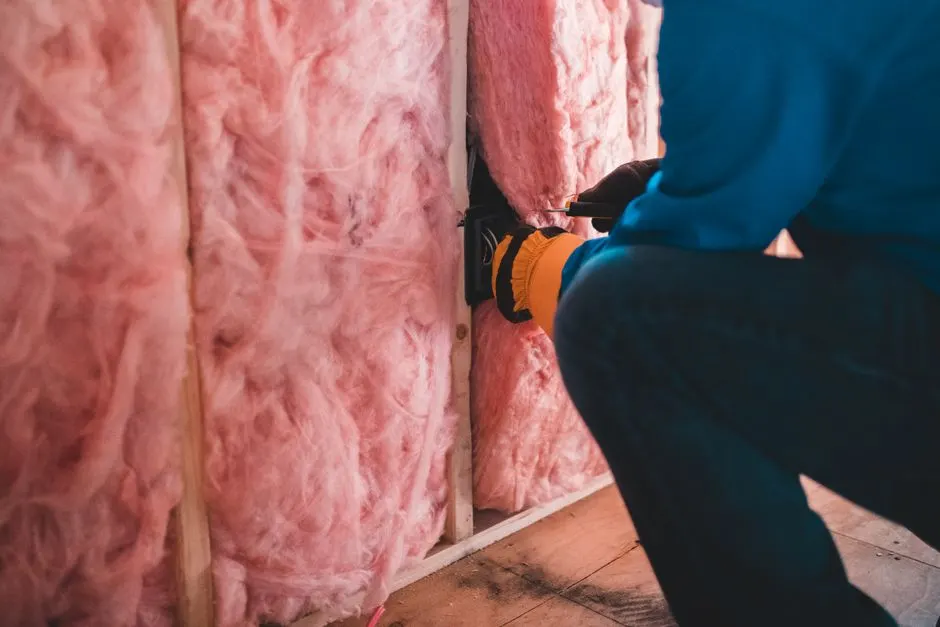 spray foam insulation removalSpray foam insulation removal in Covent Garden is often needed for a sale or remortgage. We remove the foam, clear the residue, and issue a written statement confirming the roof void is foam-free. That document is what surveyors and lenders ask for, and it has unlocked plenty of stalled sales in WC2.View details →
 open cell spray foam removalOpen cell spray foam removal is the messier of the two types. It crumbles when cut and gets everywhere, so we seal doorways with protective sheeting and run air scrubbers throughout. In Covent Garden's tight lofts we work in short bursts to keep air quality manageable, and we bag everything on site.View details →
 closed cell spray foam removalClosed cell spray foam removal is slower work. The foam is dense and bonded hard to the rafters, so it comes off in chunks with reciprocating saws and oscillating multi-tools. In Covent Garden we often find it hiding rot underneath, which is why we inspect as we go rather than after.View details →
 mortgage lender spray foam removalMortgage lender spray foam removal in Covent Garden is driven by survey reports. Lenders flag foam because it hides the roof structure and blocks ventilation. We remove it, document the condition of the timbers, and provide the evidence pack your broker can send back. Most jobs are completed within a week of instruction.View details →
 insulation removal serviceOur insulation removal service covers foam, old mineral wool and contaminated board. In Covent Garden we regularly find foam laid over the top of original 1960s insulation, which traps moisture between the layers. We strip both, check the roof space, and leave it clean for whatever goes in next.View details →
 insulation assessmentAn insulation assessment tells you whether the foam actually needs to come out. Not every Covent Garden loft does. We inspect with a thermal imaging camera, check ventilation paths and moisture readings, and give you a straight answer. If removal is not needed, we will tell you and save you the money.View details →
 dry ice blasting spray foam removalDry ice blasting spray foam removal uses dry ice pellets to freeze and crack the foam off timber without gouging the wood. It is ideal for Covent Garden's historic rafters, where a saw blade would do real damage. We use it on listed and conservation-area buildings where the timber must be preserved.View details →
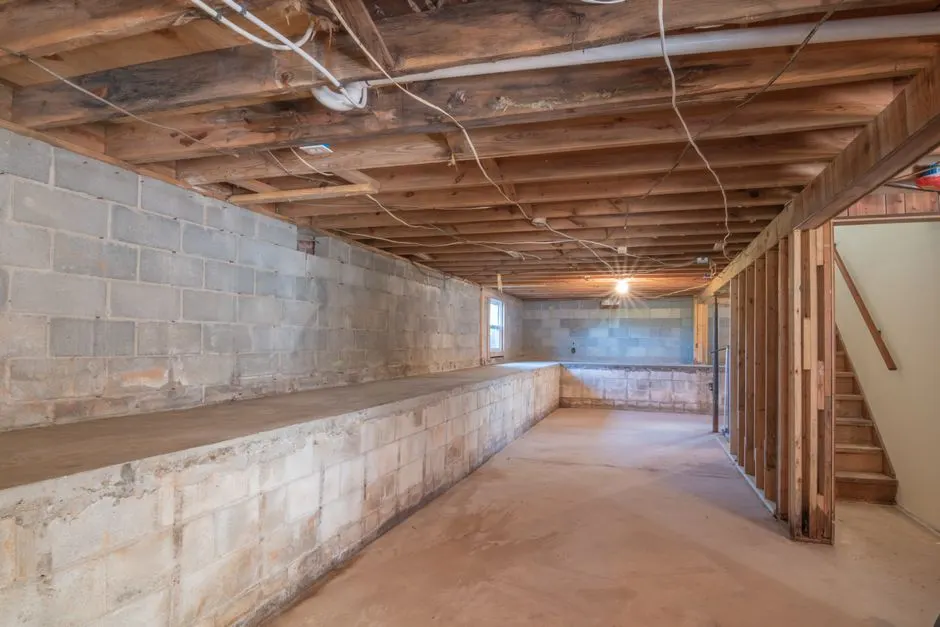 Cavity wall spray foam removalCavity wall spray foam removal in Covent Garden is common in post-war blocks around Holborn and Bloomsbury. Foam injected into a cavity can bridge the damp-proof course and cause penetrating damp. We remove it through drilled access points, clear the cavity, and make good the brickwork afterwards.View details →
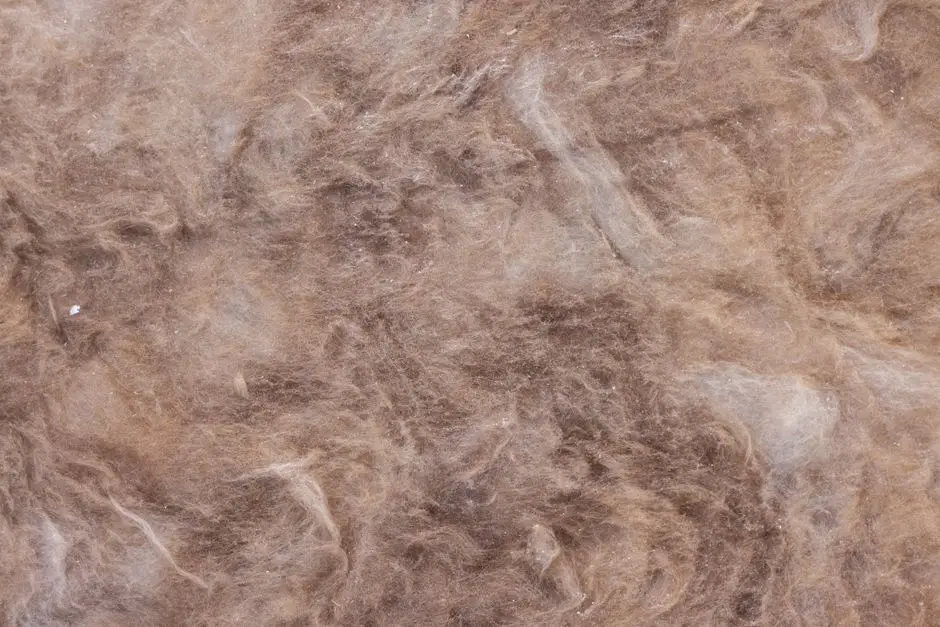 sand blasting spray foam insulation removalSand blasting spray foam insulation removal is used on hard surfaces where foam has bonded to brick or stone. It is a controlled method, with protective sheeting and air scrubbers to contain the sand blasting media. We reserve it for commercial units and basements where other methods cannot reach.View details →
 thermal spray foam removalThermal spray foam removal uses heat to soften the bond between foam and substrate before cutting. It is useful on metal roof decks and on foam that has gone brittle with age. In Covent Garden we use it sparingly, because the older timber here is sensitive to heat.View details →
 environmentally friendly insulation removalEnvironmentally friendly insulation removal means we separate foam, timber offcuts and packaging for recycling wherever possible. Dry ice blasting leaves no secondary media to dispose of, which cuts waste. For Covent Garden clients who care about landfill, we provide a waste transfer note with the job.View details →
 Warehouse spray Foam removalWarehouse spray foam removal covers the larger commercial spaces around Covent Garden's edges, where foam was sprayed onto metal decking. We work in phases to keep the building operational, using negative air machines and industrial vacuums. Most warehouse jobs are quoted per square metre after a site visit.View details →
Covent Garden is a conservation area, and that shapes how we work. Parking is restricted, loading is timed, and you cannot leave a skip on the pavement outside a listed building. We plan every job around the access we ac
Many Covent Garden lofts are reached through a hatch under 600mm wide, which limits the size of equipment we can bring up. It slows the job and means more manual handling.
How we help: We survey the hatch before quoting and bring modular kit that breaks down to fit. Foam is bagged in the loft and passed down in small loads, so nothing is dragged through your stairwell or knocked against original cornices.
You cannot park a van outside most Covent Garden addresses during the day, and timed loading bays fill fast. A poorly planned job loses hours to parking rather than working.
How we help: We book loading slots in advance, work in two-person crews so the van can be moved quickly, and schedule larger removals for early morning. For repeat jobs around the Piazza we know which bays turn over fastest.
Saw blades and heavy tools can damage 200-year-old rafters that cannot be replaced to match. A careless removal turns a foam problem into a structural one.
How we help: We use dry ice blasting on listed and conservation-area roofs, which freezes the foam off the timber without cutting into it. Where saws are needed, we cut parallel to the grain and inspect each rafter as it is exposed.
Mortgage lender or surveyor flags the foam
Musty smell in an upstairs room
Condensation on roof timbers in winter
Roof feels unusually warm in summer
Foam is crumbling or pulling away from rafters
Covent Garden is not a place you navigate by postcode alone. We use the landmarks to orient ourselves and to plan access. The Piazza is the centre of the area, the Royal Opera House sits just north of it, and St Paul's Church anchors the western side. The London Transport Museum and the Apple Market are useful markers for the eastern streets, and Neal's Yard helps us place the warren of lanes behind. Knowing these means we can tell a customer exactly where to meet us and which loading bay is closest.
The Piazza is the main orientation point for the area. We use it to plan access to the surrounding streets and to identify which loading bays are closest to a given address.
The Opera House sits on Bow Street and marks the northern edge of the district. It helps us route around the pedestrianised zones and find vehicle access to the streets behind.
St Paul's Church, often called the actors' church, sits on the west side of the Piazza. It is a useful marker for the Bedford Street and King Street addresses where we often work.
The museum occupies the old flower market building on the east side of the Piazza. It helps us place addresses around Russell Street and the surrounding lanes.
These are our most frequently served ZIP codes. Nearby areas may also qualify—call if you do not see yours.
Seven Dials · Neal's Yard · Strand and Temple · Holborn and Bloomsbury
Our team can help if your question is not answered here.
Call 02080885342 →Most Covent Garden loft removals run from around 1,200 pounds for a small open cell job to 4,500 pounds or more for a large closed cell roof void. Access, foam type and any hidden rot drive the price. We survey first and quote a fixed figure, so you are not guessing.
We do. Serenity Spray Foam Installers has covered Covent Garden since 2022, working across WC2, WC1, W1 and EC1. We handle lofts, roof voids, cavity walls and commercial units, and we provide the written removal reports lenders ask for. Call 02080885342 to book a survey.
Yes, when you call before midday. We keep a same day slot open for urgent jobs, usually mortgage deadlines or a surveyor returning. Foam is cut out, bagged and removed the same afternoon, and the removal statement follows within 24 hours.
We cover the whole of Covent Garden, including Seven Dials, Neal's Yard, the Strand, Holborn and Bloomsbury. We also work across Westminster, Camden, Islington and Southwark. If you are inside the WC2 or WC1 postcodes, we can usually be on site within the hour.
The best removal is one that gets the foam out without damaging the building and gives you the paperwork a lender needs. We use dry ice blasting on historic timbers, thermal imaging to find hidden damp, and air scrubbers to keep dust out of your home. Four years in Covent Garden, fully insured.
Free survey, fixed price, and photographs for your lender when we finish. Call 02080885342 or email us and we will book you in, often within 48 hours.
Tell us what you are seeing and where you are located. Our team will call to confirm the right appointment type and timing.