Portobello Road Market
A major orientation point in W11. On market days the surrounding streets close or slow to a crawl, so we schedule arrivals early or late and use side streets off Portobello Road for access.
Spray foam removal in Notting Hill is what we do every week, from Ladbroke Grove terraces to Westbourne Grove flats. If spray foam is blocking your mortgage, trapping damp in your loft or failing a survey, our team removes it cleanly and disposes of it legally. We cover W11, W10, W2 and W8, work around conservation area rules, and leave your roof space ready for a proper insulation upgrade.
Every Notting Hill job starts with an insulation assessment, because no two lofts here are the same. Some need a full strip-out before a sale, some need a partial removal around a chimney breast, and some just need the foam gone so a proper breathable insulation can go in. We run same day Spray foam removal Notting Hill call-outs for urgent survey deadlines, and 24/7 Spray foam removal for leaks and emergencies. If you have searched Spray foam removal near me Notting Hill and ended up here, you are in the right place.
 Spray Foam Removal near meWe cover every Notting Hill street from Portobello Road to Holland Park Avenue, so a local call-out usually means we are with you the same week. Most jobs are loft and attic removals in period terraces, where foam was sprayed between rafters years ago and now blocks ventilation. We assess, quote and remove in one visit wherever possible.View details →
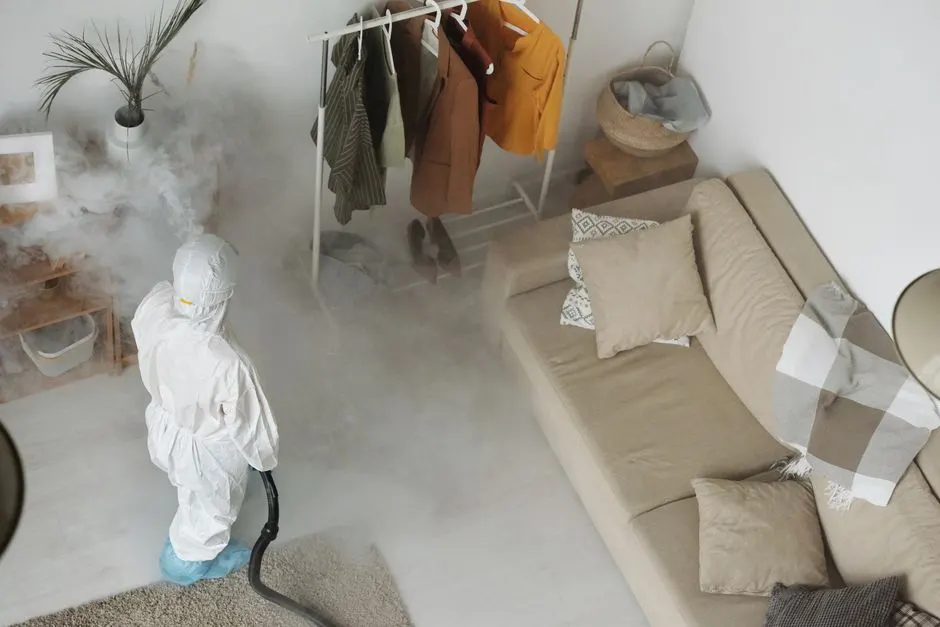 same day Spray Foam RemovalSurveyors and lenders in W11 and W10 often work to tight deadlines, so we keep same day slots open for Notting Hill. Call before midday and we can usually get a technician out to assess the loft, confirm the removal method and start work the same day. Ideal when a mortgage offer is hanging on a report.View details →
 24/7 Spray Foam RemovalSpray foam that has trapped water can cause sudden damp problems, and in Notting Hill's older roofs that sometimes means an emergency. Our 24/7 line covers W11, W10, W2 and W8 for urgent call-outs, including water ingress after storms and foam that has started to delaminate and fall. We make safe first, remove second.View details →
 Residential Spray Foam RemovalMost of our Notting Hill work is residential: terraces, mansion flats and converted houses around Ladbroke Grove, Holland Park and Kensington Park. We remove open cell and closed cell foam from lofts, rafters and roof decks, protect floors and stairwells with sheeting, and leave the space clean enough for a surveyor to inspect the same day.View details →
 Commercial Spray Foam RemovalNotting Hill has a steady supply of commercial conversions, from Portobello Road retail units to offices and studios near Westbourne Grove. Spray foam in commercial roofs causes the same mortgage and insurance problems as it does at home. We work outside trading hours where needed and provide waste transfer documentation for the removed material.View details →
 loft spray foam removalLoft spray foam removal Notting Hill homeowners ask for most often is the classic between-rafter job. The foam blocks airflow, traps condensation and rots the timber underneath. We cut it back with oscillating multi-tools, vacuum the debris with industrial vacuums, and check the rafters with a thermal imaging camera before we sign the job off.View details →
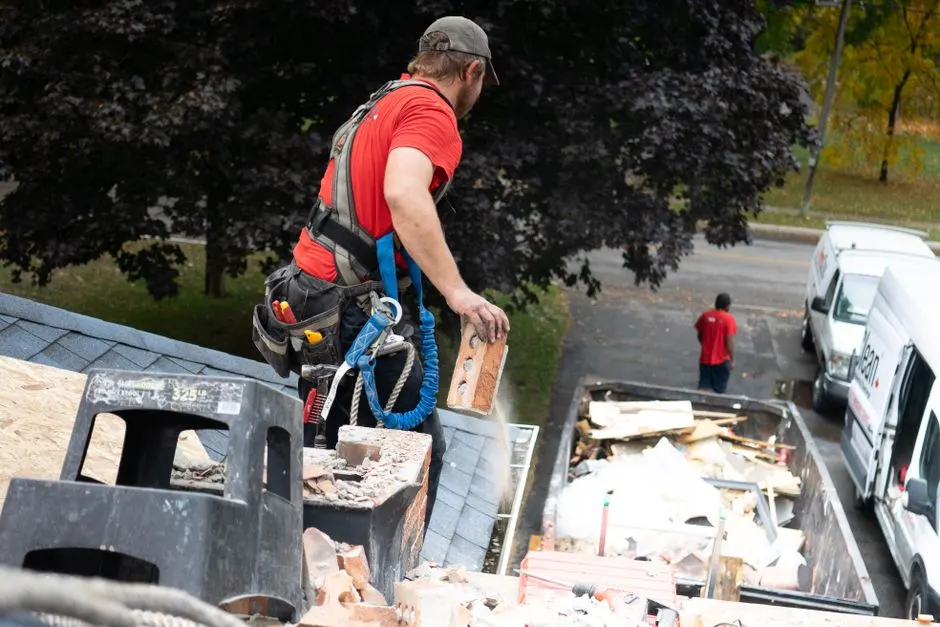 roof spray foam removalRoof-level foam in Notting Hill is common on flat and mansard roofs where access is tight. We work from within wherever possible to avoid disturbing slates and conservation-area roofscapes. Where external access is needed, we use protective sheeting and controlled removal methods that keep debris off neighbouring properties.View details →
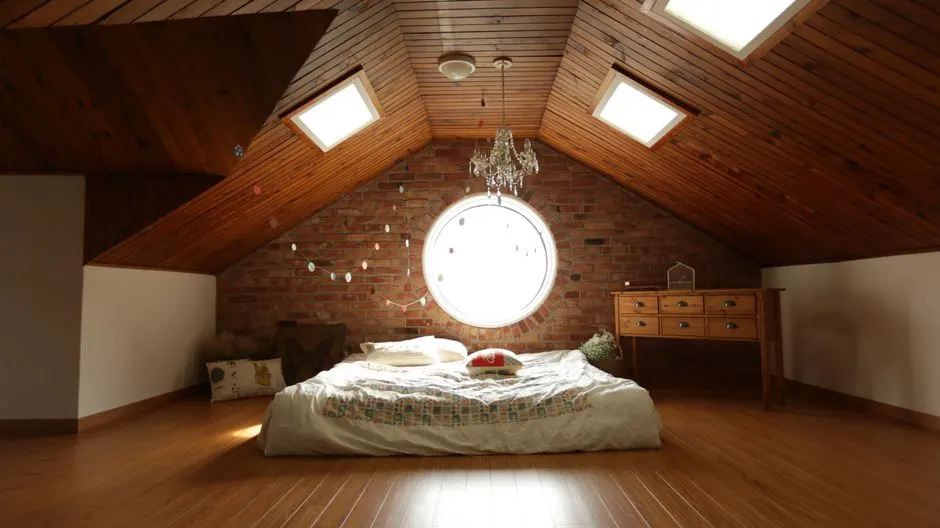 Attic spray foam removalAttic spray foam removal in Notting Hill usually means a cramped space under a Victorian roof, often with a water tank or old pipework in the way. We clear the area, remove the foam in sections, and bag everything for licensed disposal. You get a clean, inspectable attic rather than a half-scraped mess.View details →
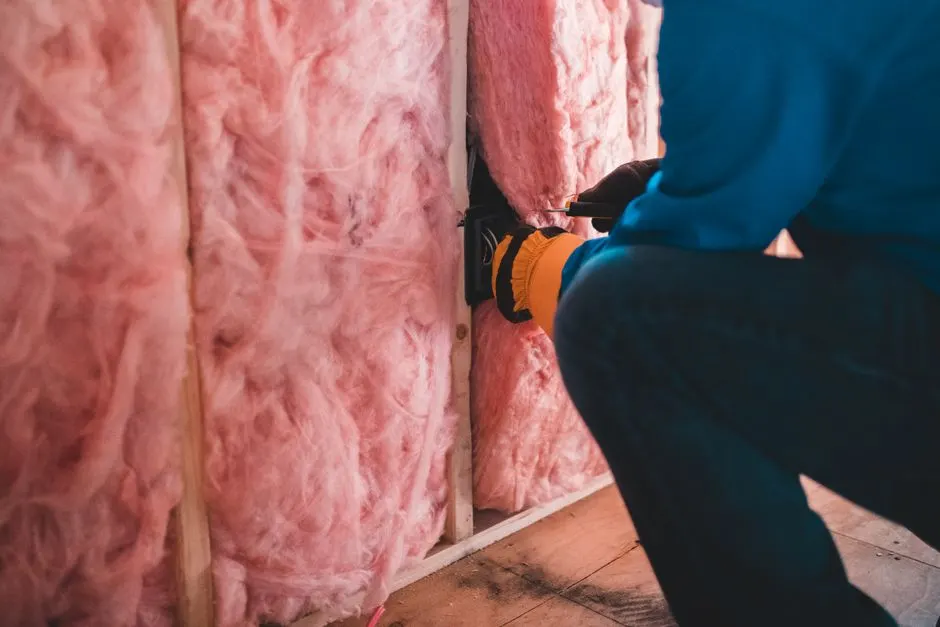 spray foam insulation removalFull spray foam insulation removal is what most Notting Hill buyers need before completion. We strip foam from rafters, joists and roof decks, then confirm with thermal imaging that no pockets remain. If your lender wants evidence, we photograph each stage and provide a written summary of what was removed and how.View details →
 open cell spray foam removalOpen cell spray foam is softer and often easier to remove, but in Notting Hill lofts it has usually soaked up years of condensation. We cut it out in blocks, bag it on site and run air scrubbers to keep spores and dust out of the rest of the house. Most open cell lofts take a single day.View details →
 closed cell spray foam removalClosed cell spray foam is the harder job. It is dense, bonded tight to timber, and often hides rot underneath. In Notting Hill we remove it with reciprocating saws and multi-tools, working carefully around rafters so the roof structure stays sound. Expect a longer job and a higher price than open cell.View details →
 mortgage lender spray foam removalMortgage lender spray foam removal is our most common Notting Hill brief. Lenders and surveyors want the foam gone and evidence it is gone. We remove it, document the work with photos and a written report, and leave the loft in a condition a valuer can inspect without caveats. That is usually what unlocks the offer.View details →
 insulation removal serviceOur insulation removal service covers spray foam plus any old mineral wool, loose fill or degraded board that needs to come out at the same time. In Notting Hill's older lofts, mixed insulation is the norm. We separate the materials, dispose of them correctly and leave you a clear space to re-insulate properly.View details →
 insulation assessmentBefore any removal, we assess. That means a loft inspection, moisture readings, thermal imaging and a look at ventilation. In Notting Hill, where roofs are old and conservation rules apply, the assessment decides the method. You get a clear written recommendation and a fixed price before we start.View details →
 dry ice blasting spray foam removalDry ice blasting is our cleanest removal method for delicate surfaces. It lifts foam residue without gouging timber or damaging felt, which matters in Notting Hill's older roof structures. We use it where a saw would be too aggressive, and pair it with HEPA extraction so nothing escapes into the house.View details →
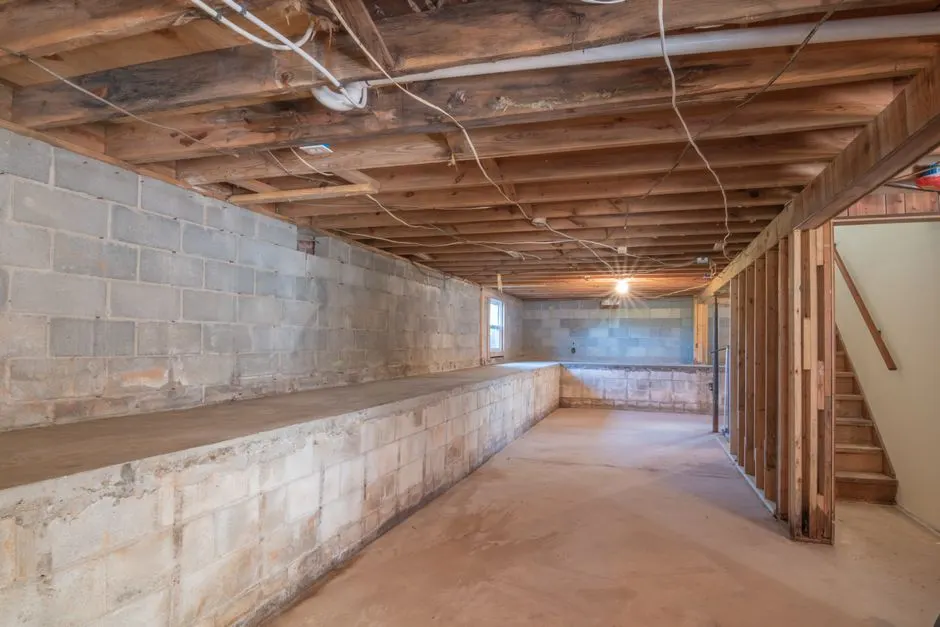 Cavity wall spray foam removalCavity wall spray foam removal is a different job from loft work and needs different kit. In Notting Hill's solid-brick and cavity-wall properties, injected foam can bridge the cavity and cause damp. We assess with a thermal imaging camera, then remove the foam through controlled access points and make good afterwards.View details →
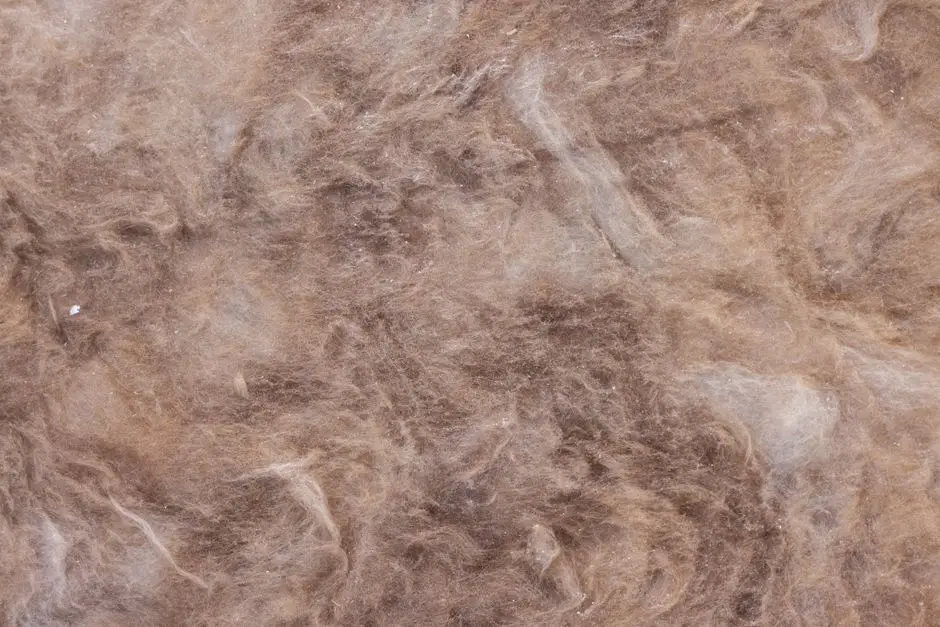 sand blasting spray foam insulation removalFor stubborn foam bonded to brick, stone or concrete, sand blasting spray foam insulation removal gives a clean finish where hand tools cannot reach. We use it selectively in Notting Hill on basement and lower-level surfaces, always with containment sheeting and respirators to keep silica dust controlled.View details →
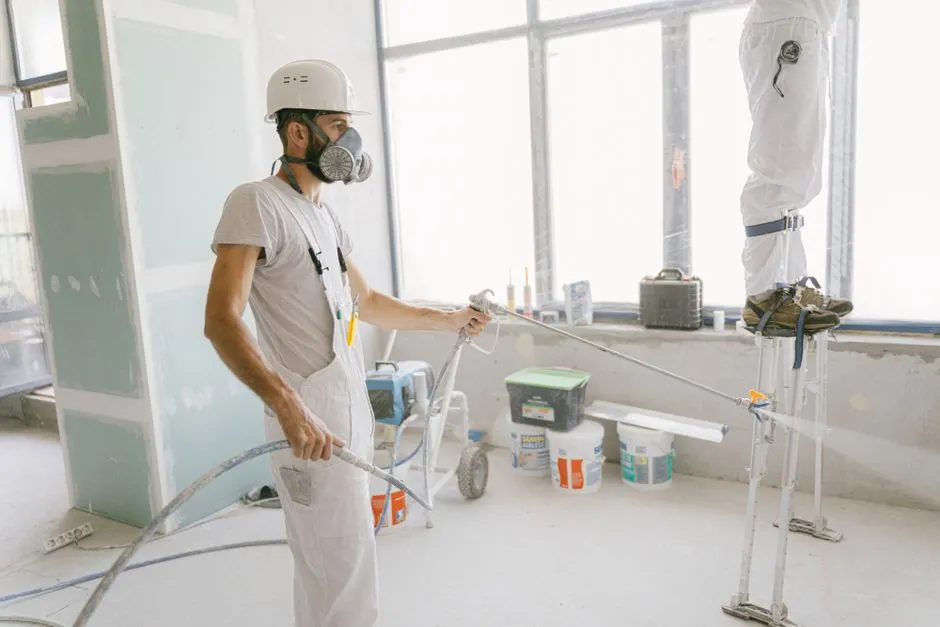 thermal spray foam removalThermal spray foam removal uses heat to soften the bond before we cut, which reduces damage to rafters and felt. It is slower than cold removal but safer on fragile Notting Hill roof timbers. We use it where the foam is thick, brittle or bonded to surfaces that cannot take a blade.View details →
 environmentally friendly insulation removalEnvironmentally friendly insulation removal means we separate materials properly, recycle what we can and dispose of the rest through licensed waste routes. In Notting Hill, where residents care about this, we provide waste transfer notes so you can see exactly where the foam ended up. No fly-tipping, no shortcuts.View details →
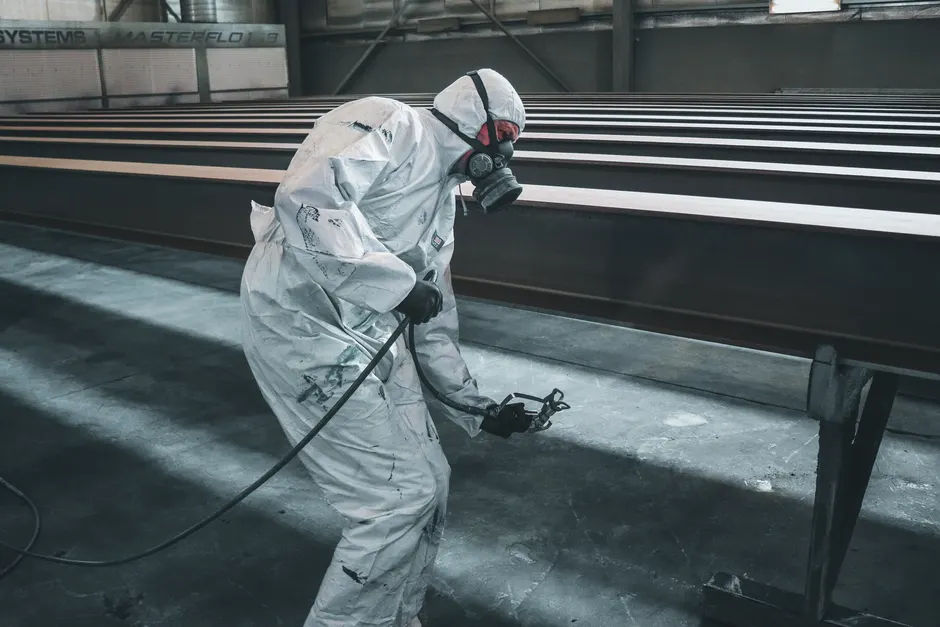 Warehouse spray Foam removalWarehouse spray foam removal covers larger commercial spaces, including the industrial units and storage buildings around the Westway and the edges of W10. These jobs need bigger extraction, longer schedules and out-of-hours working so the building keeps operating. We quote per square metre and confirm access before we start.View details →
Notting Hill is not a postcode where you can turn up with a saw and start cutting. Most of the housing stock is Victorian or Edwardian, much of it sits inside conservation areas, and a fair number of properties are liste
In Notting Hill's conservation areas, we often cannot use scaffolding or external cutting on visible roof slopes. That pushes more of the work inside the loft, which is slower and more cramped but keeps the roofscape untouched.
How we help: We plan every job from the inside out, using long-reach tools and dry ice blasting where a blade would be too destructive. Where external access is unavoidable, we submit the right details and use protective sheeting so nothing marks the brickwork or neighbouring roofs.
Old rafters in Notting Hill lofts are often uneven, split or previously repaired. Aggressive removal can crack them, which turns a foam job into a structural repair. That risk is why we survey before we cut.
How we help: We use oscillating multi-tools and thermal softening rather than brute force, and we stop the moment timber looks compromised. If we find rot, we flag it with photos and recommend a joiner before the loft is re-insulated.
Many Notting Hill properties have loft hatches barely wide enough for a person, let alone equipment. Getting tools, bags and extraction up there takes planning, and waste has to come down the same way it went up.
How we help: We use compact extraction kit and bag foam at the source so nothing travels loose through the building. Stairwells and hallways get protective sheeting, and we carry waste out in sealed bags rather than tipping it into a skip on the street.
Surveyor has flagged spray foam in the loft
Musty smell in upstairs rooms
Condensation on roof timbers or felt
Foam is cracking, falling or delaminating
You cannot get a mortgage or valuation
Notting Hill is compact but slow to drive through, especially on market days. We plan routes around Portobello Road Market, use Notting Hill Gate as our main orientation point, and treat Holland Park and Kensington Palace as the western and eastern edges of our patch. The Westway is useful for getting in and out quickly when traffic builds on the smaller streets. Knowing where the parking bays and loading restrictions are saves time on every job.
A major orientation point in W11. On market days the surrounding streets close or slow to a crawl, so we schedule arrivals early or late and use side streets off Portobello Road for access.
Marks the western edge of our Notting Hill coverage. Properties along the roads bordering the park often have larger lofts and multiple roof sections, so we allow extra survey time.
A useful reference point on Portobello Road for locating addresses in the surrounding residential streets. It sits close to several terraces we work in regularly.
The main transport and orientation hub for the area. Most of our W11 and W2 jobs are planned around access from Notting Hill Gate and the surrounding one-way streets.
These are our most frequently served ZIP codes. Nearby areas may also qualify—call if you do not see yours.
Ladbroke Grove · Westbourne Grove · Holland Park · Notting Hill Gate
Our team can help if your question is not answered here.
Call 02080885342 →Most Notting Hill jobs run between 1,200 and 4,500 pounds in 2026, with typical terraced lofts landing around 1,800 to 2,800 pounds. Closed cell foam costs more than open cell because it takes longer to cut out. Access, loft size and any timber repair also affect the price. We survey first and quote a fixed figure.
We do, and we are based close enough to reach W11, W10, W2 and W8 quickly. Serenity Spray Foam Installers has worked across Notting Hill since 2022, covering Ladbroke Grove, Westbourne Grove, Holland Park and Notting Hill Gate. Call 02080885342 and we will confirm a visit.
Yes. We keep same day slots open for Notting Hill, especially for survey and mortgage deadlines. Call before midday and we can usually assess the loft and start removal the same day. Emergency and 24/7 call-outs are also available for urgent damp or water ingress problems.
We cover all of Notting Hill and the surrounding postcodes, including W11, W10, W2 and W8. That takes in Ladbroke Grove, Westbourne Grove, Holland Park, Kensington Park, Bayswater and Queensway. If you are just outside those areas, call us and we will confirm coverage.
The best removal is the one that clears the foam, protects the roof structure and gives you paperwork your lender accepts. That means a survey first, the right tools for the foam type, proper containment, and a written summary at the end. We do all four on every Notting Hill job.
Free survey, fixed price, and photographs for your lender when we finish. Call 02080885342 or email us and we will book you in, often within 48 hours.
Tell us what you are seeing and where you are located. Our team will call to confirm the right appointment type and timing.